KEY POINTS
- Pakistan’s Army Chief Asim Munir held a strategic phone conversation with Donald Trump on Sunday.
- The Pakistani leadership has formally offered Islamabad as a neutral venue for upcoming peace negotiations.
- US Vice President JD Vance is emerging as a potential lead negotiator for future diplomatic talks.
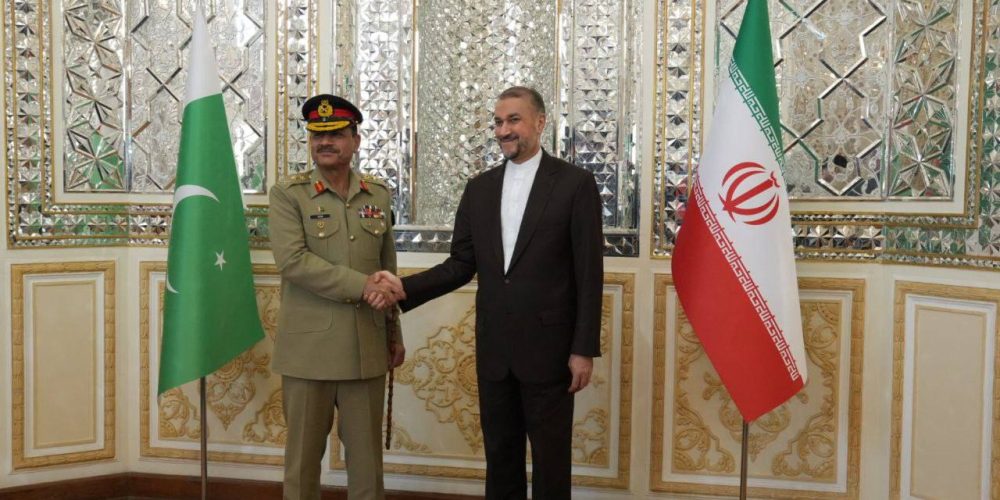
Pakistan is actively positioning itself as a central mediator in the escalating conflict between the US and Iran. This diplomatic push follows a direct phone call between Army Chief Asim Munir and Donald Trump. White House officials confirmed the conversation took place on Sunday to discuss potential paths toward a ceasefire. The Pakistani military leadership hopes to utilize its unique ties with both nations to end the hostilities.
Islamabad has officially volunteered to host high-level delegations for a peace summit as early as this week. Prime Minister Shehbaz Sharif stated that his country stands ready to facilitate a comprehensive settlement. This offer comes at a critical moment as global energy markets face severe pressure from the war. Pakistan is particularly vulnerable to the conflict due to its shared border and reliance on regional oil.
Diplomatic sources indicate that the proposed talks in Islamabad could feature significant changes in personnel. Pakistani officials have suggested that US Vice President JD Vance might lead the American negotiating team. Vance is reportedly viewed as a more acceptable interlocutor by the Iranian side compared to other envoys. This shift could help overcome the deep-seated mistrust that has stalled previous back-channel communication attempts.
The Iranian leadership has expressed a preference for Islamabad as a neutral ground for any formal discussions. While Tehran publicly denies direct talks with Washington, they acknowledge receiving messages through friendly intermediate states. These regional messengers include Oman, Turkey, and Egypt alongside the efforts of the Pakistani military. All parties are seeking a face-saving exit from a war that began nearly one month ago.
Donald Trump recently announced a five-day pause in strikes on Iranian energy infrastructure following these preliminary contacts. He described recent conversations as very productive and expressed hope for a final agreement soon. However, the situation remains fragile as both sides maintain strict conditions for a permanent cessation of violence. Israel also continues to conduct military operations despite the reports of a potential diplomatic breakthrough.
The relationship between the Pakistani army chief and the US president serves as a foundation for this mediation. Trump has previously referred to Munir in highly favorable terms during past meetings in Washington. This personal rapport has allowed Pakistan to bypass traditional diplomatic hurdles during the height of the crisis. The international community is now watching closely to see if this regional initiative can produce a lasting truce.
The success of the Islamabad summit depends on the willingness of both capitals to make significant concessions. Iran remains focused on ensuring its long-term survival while the US demands an end to regional maritime disruptions. If the parties agree to the venue, it would mark the most significant diplomatic development of the war. For now, the world remains hopeful that these back-channel efforts can prevent further military escalation.