KEY POINTS
- European Commission President Ursula von der Leyen held high-level talks with Donald Trump regarding energy security.
- The European Union is prioritizing a shift toward American liquefied natural gas to replace lost regional supplies.
- Global oil prices remain volatile as the international community reacts to ongoing disruptions in Middle Eastern markets.
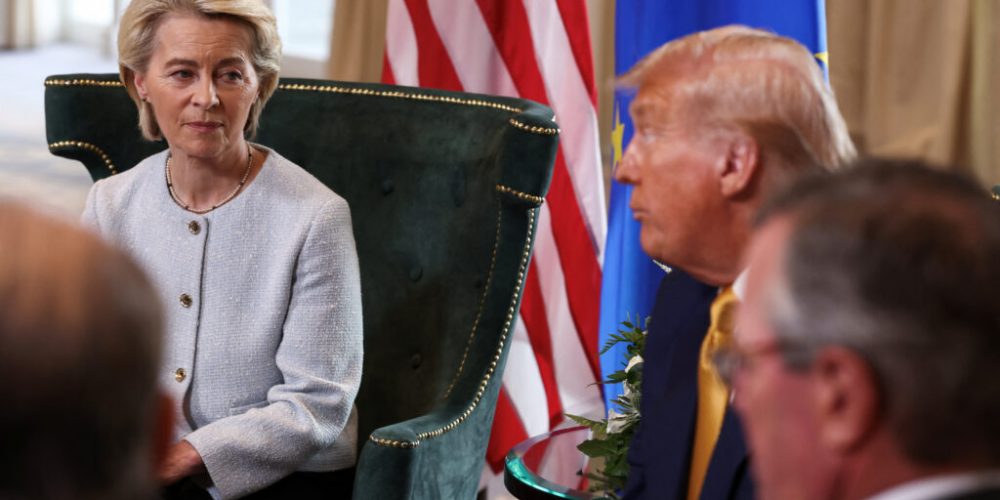
European Commission President Ursula von der Leyen initiated a critical dialogue with the United States on Tuesday afternoon. The discussion focused on stabilizing global energy markets following the recent escalation of the conflict in Iran. European leaders are deeply concerned about the rising costs of fuel and heating for their citizens this spring. This diplomatic outreach aims to create a unified Western response to the current economic pressures facing the continent.
During the conversation, Von der Leyen emphasized the need for a reliable and affordable energy supply for Europe. She highlighted that the European Union is prepared to significantly increase its imports of American liquefied natural gas. This strategy serves as a primary method to reduce the region’s historical dependence on energy from volatile sources. The Commission President described the partnership with the US as a cornerstone of European economic resilience.
The White House responded positively to the proposal, suggesting a mutual interest in securing international shipping lanes. Both leaders acknowledged that the war has placed an immense strain on the global supply chain for crude oil. While prices saw a slight dip following news of potential peace talks, they remain significantly higher than last year. Market analysts suggest that a formal energy agreement could provide the stability investors are currently seeking.
European domestic policy is also shifting to accommodate these new international realities and rising costs. Several nations have reintroduced emergency subsidies to protect their most vulnerable households from sudden price spikes. However, the long-term goal remains a complete transition toward a self-sufficient and green energy infrastructure. Von der Leyen noted that the current crisis has only accelerated the timeline for these essential structural reforms.
The impact of the energy crunch is already being felt across major industrial sectors in Germany and France. Manufacturing costs have risen sharply, leading to concerns about a broader economic slowdown within the eurozone. Business leaders are urging the European Commission to finalize the new trade arrangements with the US as quickly as possible. They believe that guaranteed energy volumes will help restore confidence in the regional manufacturing base.
In addition to energy talks, the leaders discussed the humanitarian implications of the ongoing military operations in the region. The European Union remains committed to providing aid while supporting diplomatic efforts to achieve a permanent ceasefire. Von der Leyen praised recent mediation attempts by regional partners as a step in the right direction for global peace. She reiterated that a stable Middle East is vital for the health of the world economy.
The upcoming weeks will be decisive for the implementation of this new transatlantic energy strategy. Technical teams from both the US and the EU are expected to meet soon to finalize the logistics of increased shipments. These experts will focus on expanding port capacities and streamlining the regulatory process for energy transfers. The success of this collaboration will likely determine the economic trajectory of Europe for the remainder of the year.