KEY POINTS
- Relatives are desperately searching for patients after a lethal bombing hit the Omid Addiction Treatment Hospital.
- Afghan authorities report over 400 deaths, though independent estimates from the UN place the toll lower at 143.
- Pakistan maintains the operation targeted military infrastructure and ammunition storage rather than a civilian site.
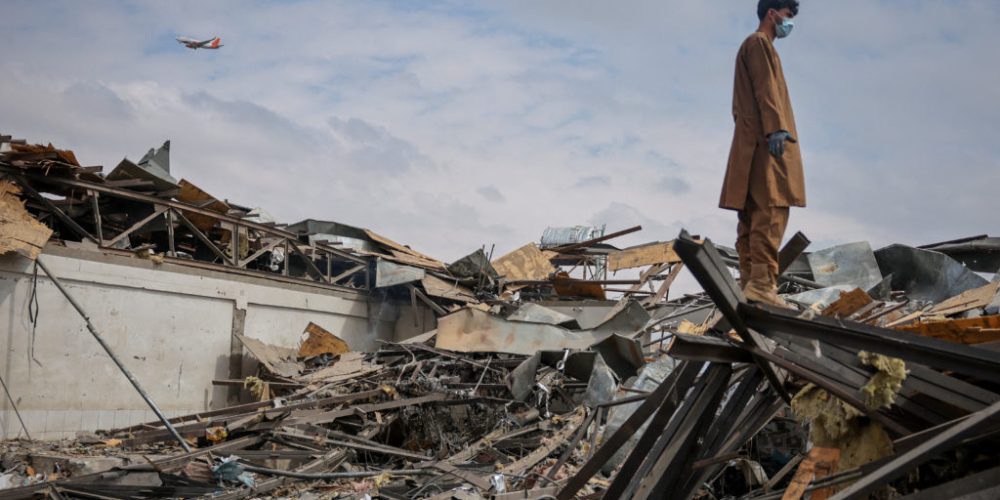
Distraught families gathered at the ruins of a Kabul drug rehabilitation facility on Wednesday to search for missing loved ones. The Omid Addiction Treatment Hospital was reduced to rubble following a series of overnight airstrikes on Monday. This event represents a significant escalation in the ongoing three-week conflict between Afghanistan and Pakistan. Many relatives reported they could not find their family members on lists of the living or dead.
Witnesses described a scene of total devastation as fires swept through the 2,000-bed complex during the attack. The facility was reportedly housing hundreds of patients undergoing treatment for substance use disorders when the bombs struck. Security guards at the site claimed the assault began around 9 p.m. local time. They reported that large sections of the compound, including the main wards and housing units, collapsed instantly.
The Afghan interior ministry stated that the death toll has reached 408 people, with hundreds more sustaining injuries. However, these figures remain a point of intense dispute between the two nations. The United Nations Assistance Mission in Afghanistan (UNAMA) provided a different assessment, verifying 143 deaths and 119 injuries. Independent aid groups like the Norwegian Refugee Council confirmed seeing large numbers of casualties at the site.
Pakistan has strongly rejected claims that its air force deliberately targeted a medical facility. Government officials in Islamabad insist the mission was a precision strike against military targets. They claimed the site was being used by the Taliban to store lethal ammunition and technical equipment. Pakistani authorities pointed to large secondary explosions as evidence of hidden weapons depots within the area.
This strike follows a period of worsening hostilities and cross-border skirmishes between the neighboring countries. The conflict has already displaced over 115,000 people across various provinces in Afghanistan. International organizations have expressed deep concern over the rising civilian toll and damage to critical infrastructure. China and other regional powers have called for immediate restraint and a return to diplomatic negotiations.
In response to the growing humanitarian crisis, Pakistan announced a five-day pause in airstrikes to observe the upcoming Eid holiday. Despite this temporary ceasefire, the situation on the ground remains extremely tense. Afghan officials have vowed to defend their territory, while families continue to dig through debris for any sign of survivors. The international community is now pushing for a transparent investigation into the hospital bombing.