KEY POINTS
- The President criticized international partners for declining a formal request to help secure the vital waterway.
- Disagreements over maritime safety come amid heightened regional tensions involving Iran and Israel.
- The administration emphasized that allies should bear more responsibility for protecting global trade routes.
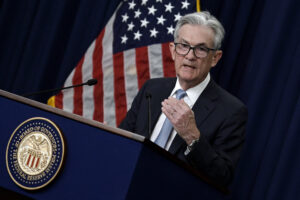
President Donald Trump issued a sharp critique of international allies on Tuesday following their refusal to join a maritime security initiative. The request specifically addressed the protection of the Strait of Hormuz during a period of significant regional instability. The President voiced his frustrations during a high-profile address regarding global trade and maritime safety.
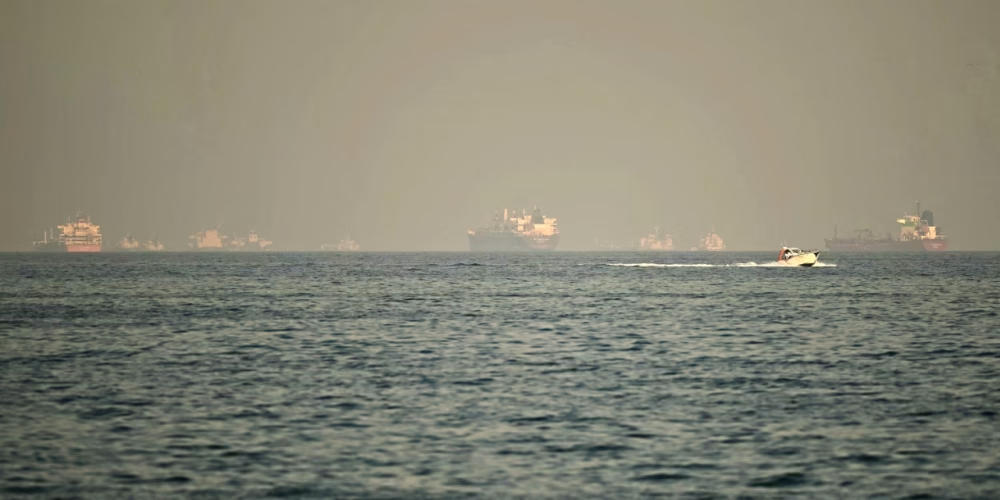
The Strait of Hormuz remains one of the most critical oil transit points in the entire world. Recent geopolitical friction has created major concerns about the safety of commercial shipping in the area. Trump argued that global partners must take on a larger role in maintaining open sea lanes.
The rejection of the request signals a complex diplomatic challenge for current American leadership. Many allies remain hesitant to engage in missions that might escalate existing regional conflicts. These nations often prefer diplomatic negotiations over military or security-based deterrents in the Middle East.
Trump framed the refusal as a lack of commitment to shared global interests. He suggested that certain countries benefit from American protection without contributing to the necessary costs. This rhetoric mirrors his consistent approach to international alliances and shared defense spending.
The timing of this critique coincides with ongoing trade disputes and security concerns involving Iran and Israel. Volatility in the region has frequently impacted global energy markets and essential supply chains. Maintaining stability in the Hormuz passage is vital for preventing global fuel price spikes.
Observers note that the divide between the United States and its allies continues to grow. These disagreements extend beyond maritime security into broader areas of trade and diplomatic recognition. The situation complicates efforts to create a unified front against regional adversaries.
Energy analysts warn that any disruption in the Strait could have immediate economic consequences. Ships carrying a significant portion of the world’s daily oil supply pass through this narrow waterway. Security experts believe a lack of cooperation increases the risk of naval incidents.
Trump emphasized that the United States would continue to prioritize its own strategic interests first. He questioned the value of partnerships that do not provide mutual support during crises. His comments sparked immediate debate among foreign policy experts and international leaders.
Allied nations have yet to provide a collective response to the public rebuke. Some individual governments maintain that their current naval assets are already overextended in other regions. They also cite the need to avoid provocative actions that could trigger broader warfare.
The current situation leaves the future of the Hormuz security initiative in a state of uncertainty. Without allied support, the burden of patrolling the region falls primarily on a limited group of nations. Global markets remain sensitive to any further developments in this ongoing diplomatic standoff.