KEY POINTS
- The head of the National Counterterrorism Center resigned on Tuesday following policy disagreements.
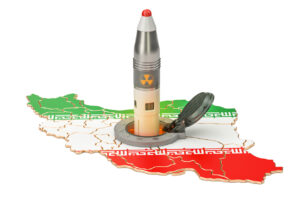
- Internal friction regarding the ongoing military engagement with Iran prompted the sudden departure.
- This resignation marks a significant shift within the United States intelligence community leadership.
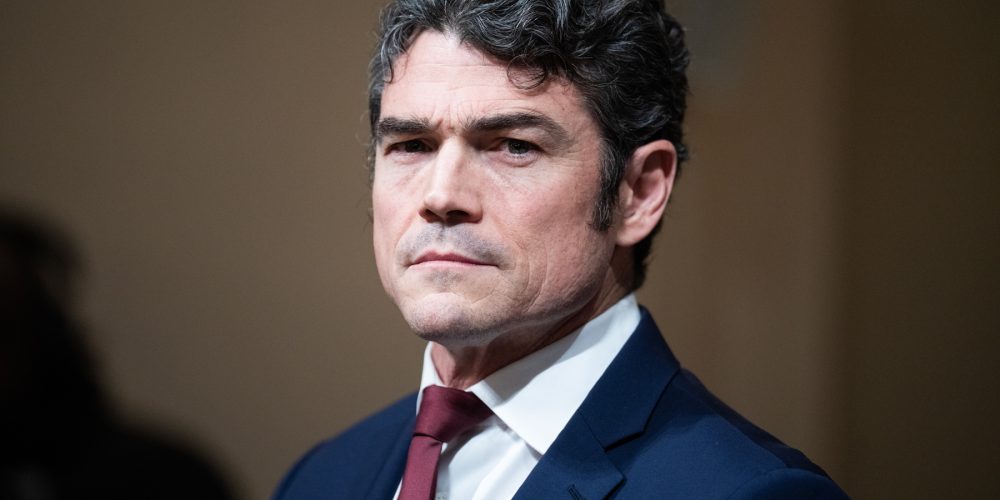
The Director of the National Counterterrorism Center officially resigned from his position on Tuesday. This decision followed growing internal debates regarding the current military conflict with Iran. The departure highlights significant tension within the senior levels of the American intelligence community.
Official reports indicate that the director disagreed with the strategic direction of recent operations. He expressed concerns about how the conflict impacts broader national security objectives. His exit comes at a critical time for regional stability in the Middle East.
The National Counterterrorism Center plays a vital role in analyzing global threats to the United States. It coordinates intelligence from various agencies to provide a unified picture of potential dangers. A leadership change during an active war presents unique challenges for the organization.
The outgoing director served in his role during a period of intense geopolitical shifts. He managed several high-profile intelligence initiatives before the recent escalation with Tehran. His colleagues described him as a dedicated professional with deep expertise in regional security.
Disagreements over military policy have reportedly increased within the administration in recent weeks. Some officials worry that the focus on Iran might distract from other global terrorism threats. These internal debates often occur behind closed doors until a high-level resignation occurs.
The White House has not yet named a permanent successor for the top intelligence post. An acting director will likely oversee operations until a formal nomination process begins. This transition requires careful management to ensure continuity in counterterrorism efforts.
Members of Congress have already started requesting more information about the circumstances of the resignation. Legislative committees plan to review the impact of this leadership change on national defense. Lawmakers want to ensure that the agency remains focused on its primary mission.
The conflict with Iran continues to influence diplomatic relations across the globe. International partners are watching the leadership changes in Washington with great interest. Stability in the American intelligence apparatus is crucial for maintaining global security alliances.
Energy markets and global trade routes remain sensitive to developments in this specific region. Any perception of instability within the United States government can impact economic forecasts. Investors often monitor these political shifts for signs of future policy changes.
For now, the National Counterterrorism Center continues its daily operations under interim leadership. The agency remains committed to its goal of protecting the country from various threats. The long-term effects of this resignation will become clearer in the coming months.