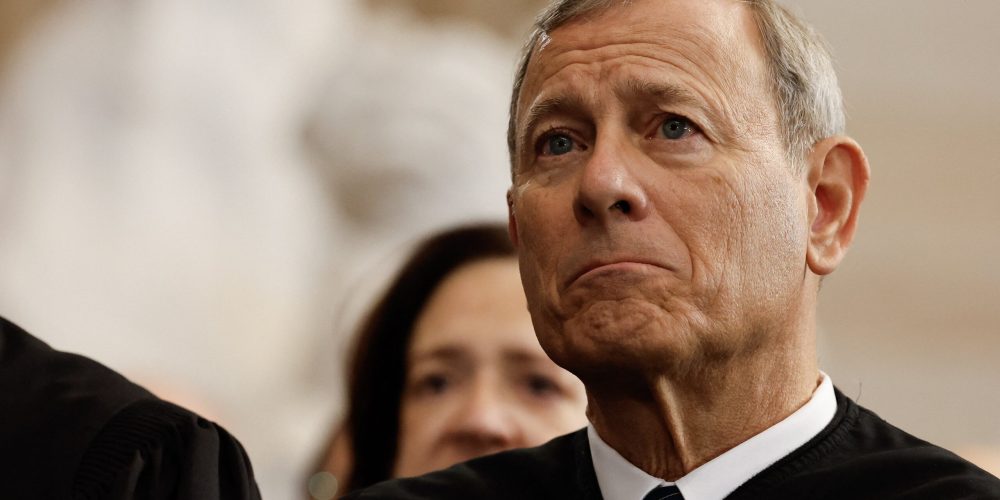
KEY POINTS
- Chief Justice John Roberts issued a stern warning against the rising tide of personal attacks on the judiciary.
- The statement emphasizes that harassment and threats undermine the fundamental stability of the legal system.
- Judicial security remains a top priority as federal courts face increasing public and political pressure.
Chief Justice John Roberts spoke out Tuesday regarding the escalating climate of animosity directed at members of the judiciary. In a rare public address, the head of the United States Supreme Court stated that personal hostility toward judges must stop. He argued that while disagreement with legal rulings is a right, targeting individuals threatens the safety of the court system. These remarks follow a period of heightened tension surrounding several high-profile federal and state cases.
The Chief Justice highlighted a concerning trend of harassment and direct threats aimed at judicial officers across the country. He suggested that such behavior erodes the public’s trust in the neutrality of the law. When judges feel physically or personally threatened, the independence of the third branch of government is placed at risk. Roberts maintained that the judiciary must remain an environment defined by reason rather than intimidation or fear.
Security for federal judges has become a primary concern for the U.S. Marshals Service in recent years. Budget requests for judicial protection have increased significantly to account for 24-hour security details and home monitoring systems. The Chief Justice noted that the families of legal professionals are also frequently targeted by disgruntled individuals. This shift in the public discourse has forced many long-serving officials to reconsider their roles within the government.
The address also touched upon the role of digital platforms in amplifying aggressive rhetoric. Roberts suggested that the speed of modern communication often prioritizes emotional outrage over thoughtful legal analysis. He called for a return to civil discourse where the merits of a decision are debated without attacking the character of the decider. Legal scholars have long warned that a polarized public environment could eventually lead to a vacancy crisis in the federal courts.
Political leaders from various backgrounds have also faced criticism for their comments regarding specific judicial outcomes. The Chief Justice reiterated that the court serves the Constitution rather than any specific political party or interest group. By maintaining this distance, the judiciary ensures that the law is applied consistently regardless of the prevailing social mood. Roberts believes that protecting this boundary is essential for the long-term health of the republic.
Recent legislation has attempted to provide better privacy protections for judges by restricting the publication of their personal home addresses. However, critics argue that more must be done to address the root causes of public frustration with the legal process. The Chief Justice acknowledged that transparency is important but insisted that it should not come at the cost of personal safety. He urged citizens to express their grievances through established legal and democratic channels.
As the nation prepares for a challenging election cycle, the pressure on the court system is likely to grow. The Chief Justice’s plea serves as a preemptive call for restraint among the public and elected officials alike. He concluded by affirming his commitment to protecting the men and women who serve on the bench at every level.
The legal community has largely supported the Chief Justice’s stance, citing a need for a safer professional environment. For now, the focus remains on balancing public accountability with the physical security of the nation’s judges.