KEY POINTS
- The narrow waterway serves as the primary artery for global liquefied natural gas and oil supplies.
- European energy prices remain highly sensitive to any physical or diplomatic disruptions in the region.
- Maritime security in the Gulf is now a top priority for EU foreign policy and defense strategies.
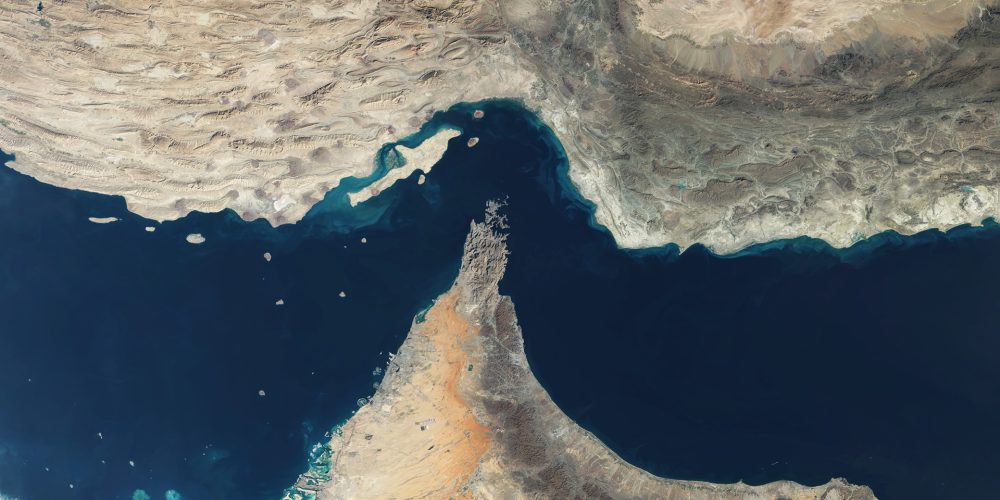
The Strait of Hormuz has emerged as a critical focal point for European economic stability during the current global energy crisis. This narrow stretch of water connects the Persian Gulf with the Gulf of Oman and the Arabian Sea. It serves as the world’s most significant chokepoint for the transport of oil and liquefied natural gas. For European nations, the free flow of traffic through this passage is essential for maintaining domestic power grids and industrial output.
Current geopolitical tensions have placed the security of this maritime route under immense pressure. A large percentage of the petroleum consumed in Europe originates from producers who rely exclusively on this exit point. Any closure or significant slowdown in shipping would trigger an immediate spike in global energy costs. Such a scenario would likely lead to severe inflation across the Eurozone and hamper manufacturing efforts in major economies.
The reliance on this specific waterway has increased as European countries seek to diversify their energy sources. Following the reduction of pipeline gas from the East, seaborne imports have become the primary alternative. This shift has inadvertently made the European economy more vulnerable to regional conflicts in the Middle East. Consequently, European diplomats are working feverishly to ensure the waterway remains open to international commercial traffic.
Logistical challenges also contribute to the strategic importance of the Strait. At its narrowest point, the shipping lanes are only a few miles wide in each direction. This geography makes the passage relatively easy to monitor or obstruct with naval assets or shore-based technology. Huge tankers carrying millions of barrels of crude must navigate these tight waters daily. The sheer volume of traffic means that even a minor incident can cause a massive backlog in global supply chains.+1
The European Union is currently evaluating several defensive and diplomatic options to protect its interests. Some member states have considered increasing their naval presence in the region to escort commercial vessels. Others are pushing for a strictly diplomatic solution to de-escalate the friction between regional powers. There is a clear consensus that the cost of inaction could be a catastrophic energy shortage during the winter months.+1
Furthermore, the stability of the Strait impacts the price of nearly all consumer goods. Shipping insurance rates for vessels traveling through the Gulf have climbed sharply in recent weeks. These increased overheads are eventually reflected in the retail price of imported products and raw materials. Protecting the waterway is therefore seen as a measure to protect the purchasing power of European citizens.+1
Technical experts suggest that there are few viable alternatives to the Strait of Hormuz for large-scale energy transport. Pipelines that bypass the waterway exist but they do not have the capacity to replace the volume moved by sea. This physical reality forces Europe to maintain a high level of engagement with the politics of the Gulf region. The continent’s green transition is still years away from reducing this fundamental dependence on fossil fuel imports.
The coming months will test the ability of European leaders to manage this vital supply line. Success will require a delicate balance of military deterrence and sophisticated international negotiation.