KEY POINTS
- The White House demands European nations contribute naval vessels to protect shipping lanes near Iran.
- Washington threatens to reconsider security commitments if allies refuse to join the maritime coalition.
- Tensions escalate as the administration links trade favors to active military participation in the Gulf.
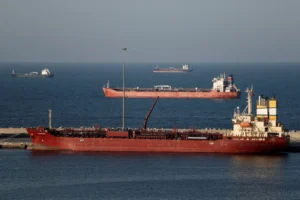
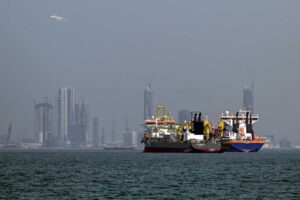
The United States administration is intensifying pressure on its European partners regarding the conflict in the Middle East. Officials in Washington are demanding that allies deploy warships to the Strait of Hormuz immediately. This strategic waterway remains a primary flashpoint in the ongoing confrontation with Iran. The White House insists that Europe must take a more active role in securing global energy routes.
American leadership recently communicated that the burden of maritime security cannot fall solely on the United States. They argue that European economies rely heavily on the oil flowing through these specific channels. Consequently, the administration believes these nations should provide the necessary hardware and personnel for patrols. This demand marks a significant shift in diplomatic expectations for transatlantic military cooperation.
Internal reports suggest that the President has linked this military support to future economic relations. The administration hinted that countries refusing to assist may face unfavorable trade conditions or new tariffs. This transactional approach to foreign policy has caused significant concern among traditional diplomatic circles in London, Paris, and Berlin. European leaders are now forced to weigh their domestic anti-war sentiment against the risk of American retaliation.
Furthermore, the White House has raised questions about the long-term utility of existing security alliances. Officials suggested that the United States might scale back its involvement in other regions if allies do not step up here. This rhetoric targets the core of the North Atlantic Treaty Organization’s mutual defense principles. The administration views the Strait of Hormuz as a test of loyalty for its closest international partners.
The European response has been cautious and varied across different capitals. Some nations fear that sending warships will lead to a direct and uncontrolled military escalation with Tehran. They prefer diplomatic channels and economic sanctions over a visible naval build-up in the region. However, the American administration remains dismissive of these concerns, labeling them as excuses for inaction.
Military analysts note that a combined fleet would significantly increase the pressure on Iranian forces. The United States currently maintains a massive presence, but officials want a multinational “police force” to legitimize the mission. By involving Europe, the White House hopes to create a unified front that complicates Iran’s strategic calculations.
As the deadline for a decision approaches, the diplomatic rift between the two continents continues to widen. The administration shows no signs of softening its “America First” stance on international security sharing. European governments must now decide if they will join the naval mission or face a potential collapse in their relationship with Washington.
The outcome of these negotiations will likely redefine the global security landscape for years to come. For now, the Strait of Hormuz remains the center of a high-stakes geopolitical standoff involving the world’s most powerful nations.