KEY POINTS
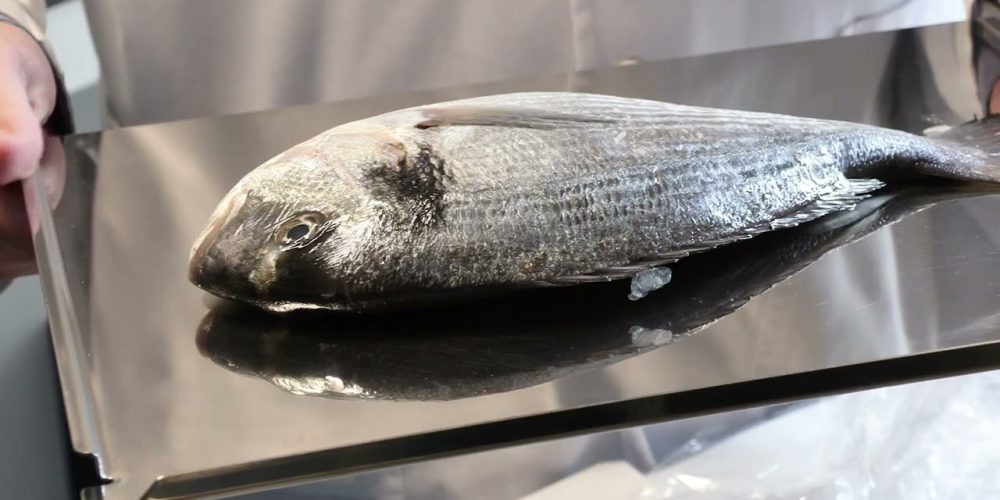
- Scientists at the University of Granada have engineered a highly transparent and durable artificial cornea using scales from commonly marketed fish like carp.
- The new bio-material offers a sustainable, low-cost alternative to human donor transplants, which currently face massive global shortages and long waiting lists.
- Early testing in laboratory settings and animal models confirms the material is highly biocompatible and capable of supporting natural corneal tissue regeneration.
A team of Spanish researchers has achieved a significant breakthrough in ophthalmology by developing a low-cost artificial cornea derived from fish scales. Scientists from the Tissue Engineering Group at the University of Granada and the ibs.GRANADA Biomedical Research Institute lead the project, which aims to provide a scalable solution for patients suffering from severe corneal diseases. By utilizing a natural byproduct of the fishing industry, the team has created a biomaterial that could eventually bypass the traditional reliance on human organ donation.
The human cornea is a transparent, dome-shaped layer that covers the front of the eye. Because it lacks blood vessels and has limited natural regenerative capacity, serious injuries or infections often lead to permanent vision loss. Currently, the primary treatment for severe corneal damage is a transplant from a human donor. However, the global demand far exceeds the available supply, leaving millions of people on years-long waiting lists for sight-restoring surgery.
To address this shortage, researchers turned to the intricate structure of fish scales. Through specialized biochemical processing, the team extracted collagen and other structural proteins to create a thin, transparent disc that mimics the optical and mechanical properties of a healthy human cornea. The resulting implants are not only resistant to the internal pressure of the eye but are also remarkably clear, ensuring that light can pass through to the retina without distortion.
Testing conducted in laboratory environments has shown that the fish-scale-derived material is exceptionally biocompatible. When placed in contact with human cells, the material did not trigger an immune rejection response, which is one of the biggest hurdles in artificial organ development. Furthermore, animal trials have demonstrated that the material acts as a scaffold, allowing the patient’s own cells to migrate into the implant and begin the process of natural tissue repair.
This innovation holds particular promise for developing nations where access to expensive medical infrastructure and donor networks is often restricted. Because the raw material—fish scales—is a widely available and inexpensive waste product, the cost of manufacturing these artificial corneas is significantly lower than that of existing synthetic alternatives. Beyond the medical benefits, project leaders noted that the technology could provide an economic boost to local fishing sectors by adding value to what was previously considered industrial waste.
Despite the promising early results, the research team emphasized that the technology is not yet ready for widespread clinical use. The project is currently transitioning into a phase of rigorous safety assessments to ensure the long-term stability of the implants. Human clinical trials are the next major milestone, which will determine how the artificial cornea performs over several years in a diverse patient population.
If successful, this fish-scale technology could redefine the standard of care for corneal blindness. The ability to produce high-quality, biocompatible implants on an industrial scale would effectively eliminate the waiting list for transplants. As the University of Granada continues to refine the manufacturing process, the medical community is watching closely, hopeful that this sustainable approach will lead to a new era of affordable, accessible vision restoration.