KEY POINTS
- Analysts warn that current military actions in Iran mirror long-standing regional occupation patterns.
- Experts suggest Western intervention strategies frequently prioritize geopolitical control over sustainable peace.
- The escalating confrontation risks a broader humanitarian crisis across multiple neighboring territories.
The international community currently faces a pivotal moment regarding the intensifying military conflict in the Middle East. Recent developments suggest that the Western approach to the region remains rooted in historical patterns of control. Critics argue that these strategies often ignore the underlying causes of local instability. This lack of perspective frequently leads to prolonged engagements with no clear exit strategy.
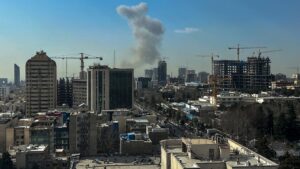
Military analysts observe that the current operations against Iran share characteristics with previous regional interventions. The focus remains heavily on air superiority and the disruption of local infrastructure. However, these tactics rarely address the political grievances that fuel resistance movements. Many observers believe that a failure to learn from past mistakes will result in a repetitive cycle of violence.
The humanitarian impact of the ongoing strikes continues to draw international concern. Displacement of civilians and the destruction of essential services create long-term challenges for recovery. Aid organizations warn that the region cannot sustain another major refugee crisis. Despite these warnings, the pace of military operations appears to be accelerating rather than slowing down.
Diplomatic efforts to de-escalate the situation remain largely ineffective at this stage. Major powers seem more interested in asserting dominance than finding common ground for negotiation. This rigid stance complicates the path toward a ceasefire or a permanent peace agreement. The absence of a robust diplomatic framework leaves military force as the primary tool of foreign policy.
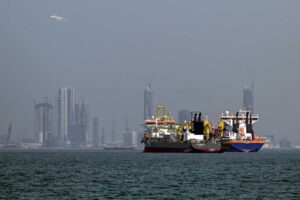
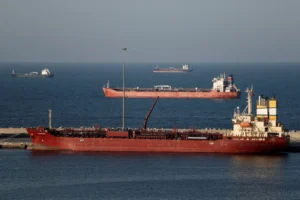
Economic consequences of the conflict are already being felt across global markets. Fluctuations in energy prices reflect the uncertainty surrounding the security of vital trade routes. Investors remain wary of a wider war that could shut down significant portions of the global economy. These financial pressures add another layer of complexity to an already volatile geopolitical environment.
Social media and independent reporting provide a different perspective from official government narratives. These platforms often highlight the human cost of the conflict that mainstream sources might overlook. Public opinion in Western nations shows increasing skepticism toward open-ended military commitments abroad. This growing domestic pressure could eventually influence future policy decisions regarding the war.
The relationship between Western powers and regional actors continues to deteriorate rapidly. Trust has eroded as alliances shift based on immediate military needs rather than long-term goals. This instability makes it difficult to form a cohesive international response to the crisis. Without a unified approach, the risk of a miscalculation leading to a larger war remains high.
Ultimately, the path forward requires a fundamental shift in how the West engages with Middle Eastern nations. Prioritizing human rights and local sovereignty could offer a more stable alternative to perpetual conflict. For now, the world watches as the region stands on the brink of an even larger catastrophe.