KEY POINTS
- Iranian officials call for a comprehensive evaluation of diplomatic ties with neighboring Gulf Arab nations.
- Tehran formally denies any involvement in the recent drone strikes targeting Saudi Arabian oil infrastructure.
- The diplomatic push aims to reduce regional tensions through direct dialogue and mutual security cooperation.
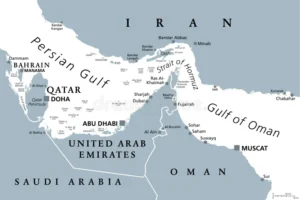
Iran now seeks a major shift in its regional foreign policy approach. Government officials expressed a desire to re-evaluate relationships with Gulf Arab states. This announcement signals a potential move toward de-escalation in a volatile region. Leaders in Tehran emphasize the need for a serious and constructive review of these ties.
The diplomatic overture comes at a time of heightened regional anxiety. Several oil facilities in Saudi Arabia recently faced significant drone and missile attacks. These strikes caused temporary disruptions to global energy supplies and sparked international concern. Many analysts initially pointed toward Iranian influence or direct involvement in the operations.
Tehran explicitly rejects these accusations in its latest official statements. The Iranian foreign ministry describes the claims as baseless and politically motivated. They insist that Iran plays no role in the strikes against Saudi energy assets. Instead, officials blame local regional conflicts for the continuing instability and violence.
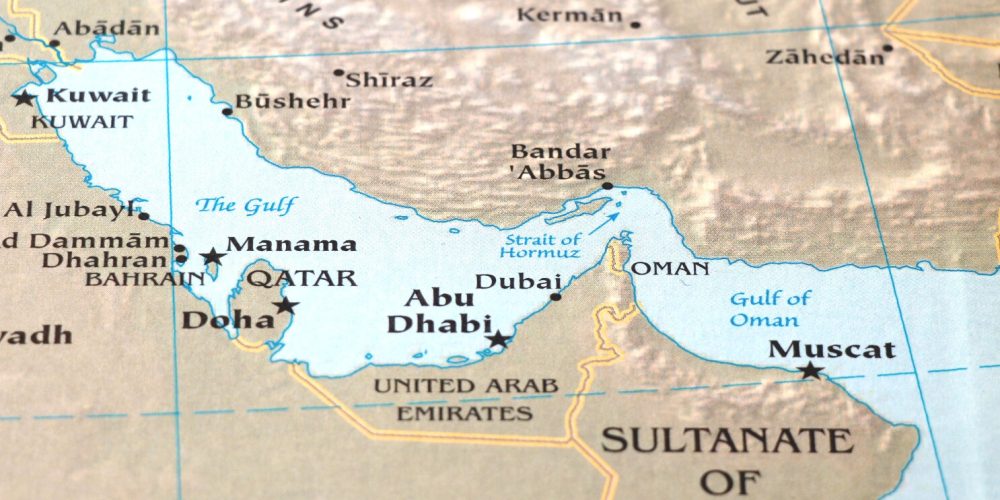
Iran suggests that regional security should be managed by local nations alone. They argue against the presence of foreign military forces in the Persian Gulf. According to Tehran, outside interference only serves to complicate existing diplomatic efforts. They propose a collective security framework involving all neighboring countries.
This call for dialogue follows years of severed or strained diplomatic relations. Saudi Arabia and Iran have competed for influence across the Middle East for decades. Previous attempts at reconciliation faced numerous obstacles and frequent breakdowns in communication. Both nations now face internal and external pressures to stabilize the area.
Economic factors may be driving this renewed interest in regional cooperation. Iran continues to struggle under the weight of heavy international sanctions. Better relations with wealthy Gulf neighbors could open new avenues for trade and investment. It might also help lower the risk of a direct military confrontation.
The Gulf Cooperation Council has not yet issued a formal unified response. Some member states remain deeply skeptical of Iran’s true intentions and long-term goals. They often cite Iran’s support for various regional proxy groups as a major barrier. Trust remains low despite the encouraging tone of the recent message from Tehran.
International observers are monitoring the situation closely for signs of real progress. A successful diplomatic reset could transform the geopolitical landscape of the Middle East. It would likely lead to more stable oil markets and increased regional safety. However, the path to a lasting peace agreement remains long and difficult.