KEY POINTS
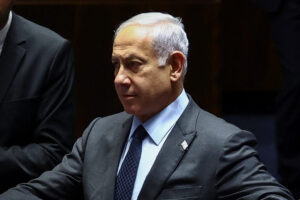
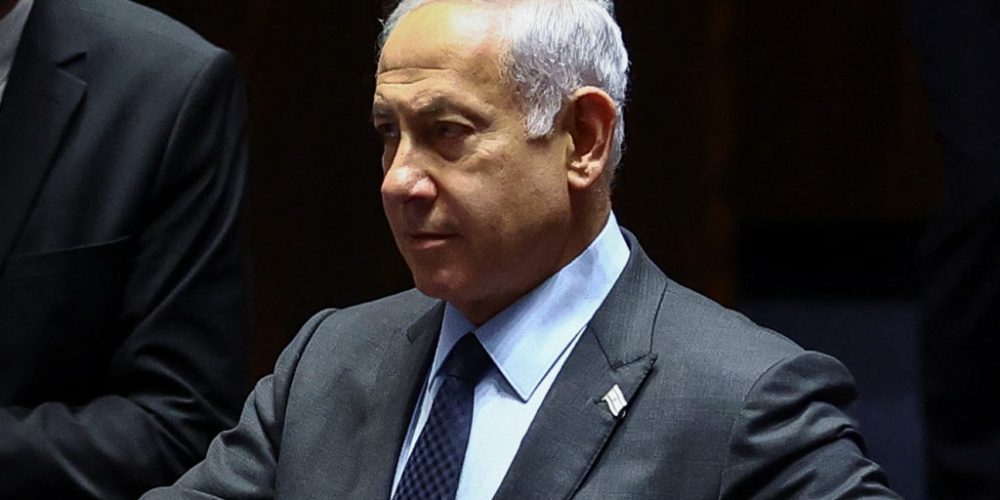
- Prime Minister Benjamin Netanyahu appeared in a new video to disprove rumors regarding his passing.
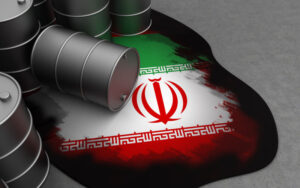
- Iranian state media outlets recently circulated unverified reports claiming the Israeli leader had died.
- The Israeli government dismissed the viral misinformation as a coordinated psychological warfare tactic.
Israeli Prime Minister Benjamin Netanyahu addressed the public directly to silence intensifying rumors about his health. Speculation regarding his condition began spreading rapidly across social media platforms over the weekend. These reports claimed the long-serving leader had passed away following a period of absence.
The Prime Minister chose to release a video statement to provide undeniable proof of life. In the footage, he appeared healthy and spoke clearly about current government initiatives. He stood in front of a window showing a recognizable Jerusalem landscape to establish the timeframe.
Iranian state-affiliated media sources were among the first to amplify the claims of his death. These outlets suggested that the Israeli government was hiding the news to prevent national panic. They cited anonymous sources and lack of recent public appearances as evidence for their narrative.
Netanyahu used the video to mock those who spread the false information. He characterized the rumors as a desperate attempt by adversaries to destabilize the nation. The Prime Minister insisted that his administration remains focused on its military and domestic goals.
Officials within the Prime Minister’s Office labeled the incident as a clear example of psychological warfare. They accused foreign intelligence agencies of using digital bots to trend the false news. This tactic aims to create confusion among the Israeli public and global observers.
The video also served as a briefing on the latest regional security developments. Netanyahu discussed ongoing operations and reiterated his commitment to national defense. He emphasized that the government continues to function normally despite the digital misinformation campaign.
The spread of such high-profile fake news highlights the growing challenges of the modern information age. Verified news organizations struggled to keep pace with the speed of the viral rumors. This event has prompted calls for better verification tools on major social media sites.
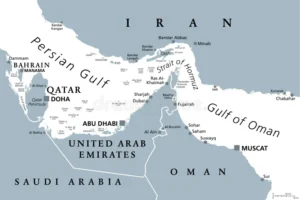
Regional tensions often manifest through digital disinformation and propaganda battles. Both sides frequently use these methods to influence public perception and morale. The Prime Minister’s swift response aimed to regain control of the narrative and project strength.