KEY POINTS
- Negotiators for the WNBA and the players’ association continued discussions on Friday with a “renewed sense of optimism.”
- Sources indicate movement on key issues including travel standards, veteran benefits, and revenue sharing.
- The current Collective Bargaining Agreement (CBA) remains the primary focus as the league prepares for another season of record growth.
Negotiations between WNBA leadership and the Women’s National Basketball Players Association (WNBPA) showed signs of momentum this week. Following a series of high-level meetings, representatives from both sides suggested that a middle ground is finally being reached on long-standing disputes. This progress comes at a critical time as the league’s popularity reaches an all-time high.
A major sticking point in the talks has been the standard of travel for athletes during the intensive regular season. Players have consistently advocated for mandatory charter flights to ensure proper recovery and safety. Recent discussions suggest the league is moving toward a more comprehensive travel policy that addresses these concerns for all teams.
Another primary focus of the Friday session was the restructuring of player compensation and revenue sharing. With the recent influx of lucrative media rights deals and corporate sponsorships, players are seeking a larger percentage of the league’s growing financial pie. Negotiators are reportedly looking at new models that would tie salary caps more closely to overall league revenue.
Veteran benefits, including improved healthcare and retirement plans, have also been central to the WNBPA’s demands. Sources close to the talks indicate that the league has shown a greater willingness to expand these long-term protections. Both parties recognize the importance of providing better support for athletes beyond their active playing years.
Despite the positive developments, several complex issues remain unresolved before a final deal can be signed. Disagreements persist regarding the length of the season and the specific mechanics of the “prioritization” rules. These rules affect players who compete in international leagues during the WNBA off-season.
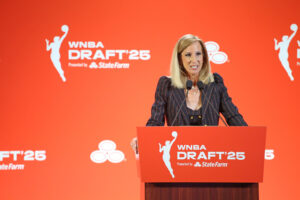
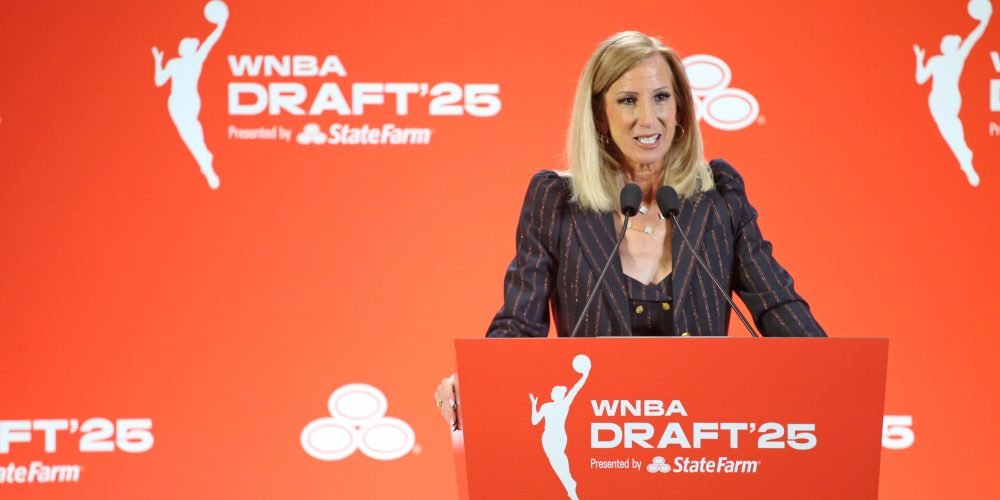
League Commissioner Cathy Engelbert has emphasized the need for a sustainable financial model that allows for continued expansion. She noted that while player investment is a top priority, the league must also ensure the long-term viability of its franchises. The current dialogue is described as professional and collaborative rather than adversarial.
The players’ union leadership remains firm on achieving “transformational” change in this round of bargaining. They believe the unprecedented surge in fan interest provides the necessary leverage to secure historic gains. Many star players have been vocal on social media about the importance of securing a fair deal for the next generation.
Analysts believe that reaching a deal before the start of the upcoming season is vital for the league’s brand. A labor dispute during a period of peak cultural relevance would be a significant setback for everyone involved. The current momentum suggests that both sides are motivated to avoid any disruption to the game.
The WNBA is coming off a year of record-breaking viewership and ticket sales, largely driven by a new wave of star talent. This commercial success has fundamentally changed the landscape of the negotiations. The question is no longer if the league can afford improvements, but how quickly those improvements can be implemented.
Further meetings are scheduled for the coming week as lawyers begin to draft the specific language of the potential agreement. Both sides have agreed to keep specific financial figures confidential until a formal announcement is made. For now, WNBA fans and players alike are hopeful that a landmark deal is within reach.