KEY POINTS
- Voters across France are heading to the polls today for pivotal nationwide mayoral elections.
- Marine Le Pen’s National Rally seeks to expand its local power base in traditional conservative strongholds.
- The results will act as a final political barometer before the upcoming 2027 presidential contest.
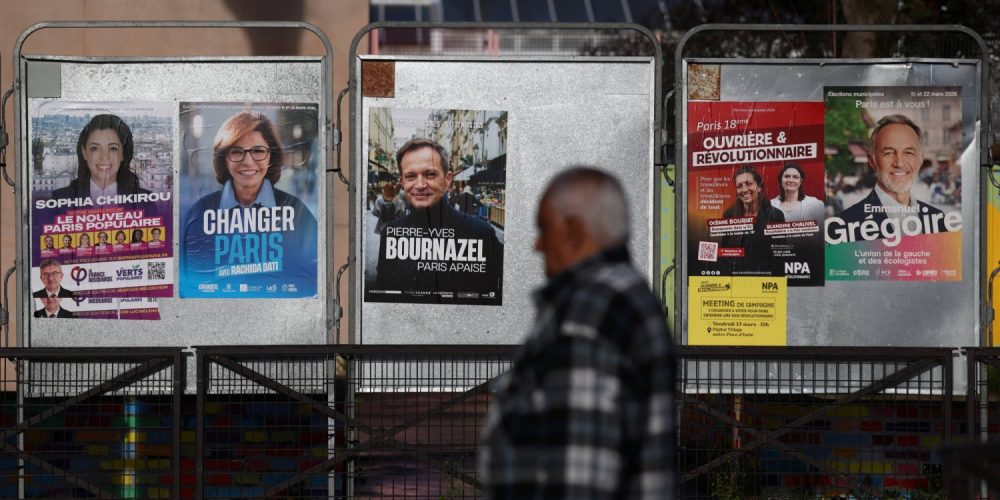
French citizens began casting their ballots on Sunday morning in a high-stakes round of municipal elections. These local contests involve thousands of mayoral seats and council positions across the country. While the focus is local, the political implications carry significant weight for the entire nation.
National political leaders are watching the turnout and results with intense scrutiny this evening. These elections represent the last major test of public sentiment before the next presidential race. Analysts view the vote as a vital indicator of the current strength of the far-right movement.
Marine Le Pen and the National Rally party have campaigned aggressively to capture mid-sized cities. They hope to prove their ability to govern effectively at the local level. Success today would provide the party with a significant institutional platform for future national campaigns.
On the other side, President Emmanuel Macron’s centrist allies are fighting to maintain their urban influence. Many of these incumbents face challenges from both the nationalist right and a rejuvenated left-wing coalition. The centrist bloc has struggled to connect with rural voters in recent months.
Security and the rising cost of living have dominated the local debates leading up to the vote. Voters in many regions expressed frustration with national policies during their local interactions. This dissatisfaction could lead to a shift in power within several traditional regional capitals.
The French electoral system requires a second round of voting for many of these positions. Candidates who do not secure an absolute majority today will face a runoff next Sunday. This week-long gap often leads to strategic alliances between various political factions.
Early data suggests that voter participation levels are consistent with previous local election cycles. High turnout in northern industrial areas often favors the National Rally in modern French politics. Conversely, strong participation in Paris and Lyon typically benefits the Green and Socialist candidates.
Government officials will begin releasing preliminary exit poll data shortly after the booths close tonight. The final tally will determine who controls the local budgets and public services for the next six years. These officials often play a key role in mobilizing voters for national ballots.
The outcome in the southern Mediterranean region will be particularly telling for the far-right’s trajectory. If the National Rally picks up several major towns, it will signal a major shift in the political landscape. A loss for the incumbents would increase pressure on the current administration in Paris.