KEY POINTS
- The American President expressed his belief that Iran’s recently appointed Supreme Leader remains alive but suggested the leader has been physically affected by recent events.
- These remarks come amid intense global speculation regarding the health and stability of the Iranian high command during the ongoing regional crisis.
- The administration indicated that intelligence assessments continue to monitor the situation closely as leadership transparency in the region remains low.
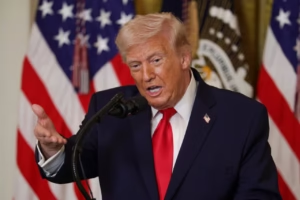
During a recent press engagement, the President of the United States shared his perspective on the current condition of Iran’s new Supreme Leader. He stated that based on his assessment, the leader is still alive, though he described the individual as being “damaged.” This high-level commentary provides a rare glimpse into the executive branch’s current view of the internal dynamics within the Iranian government, which has been shrouded in mystery since the start of the conflict.
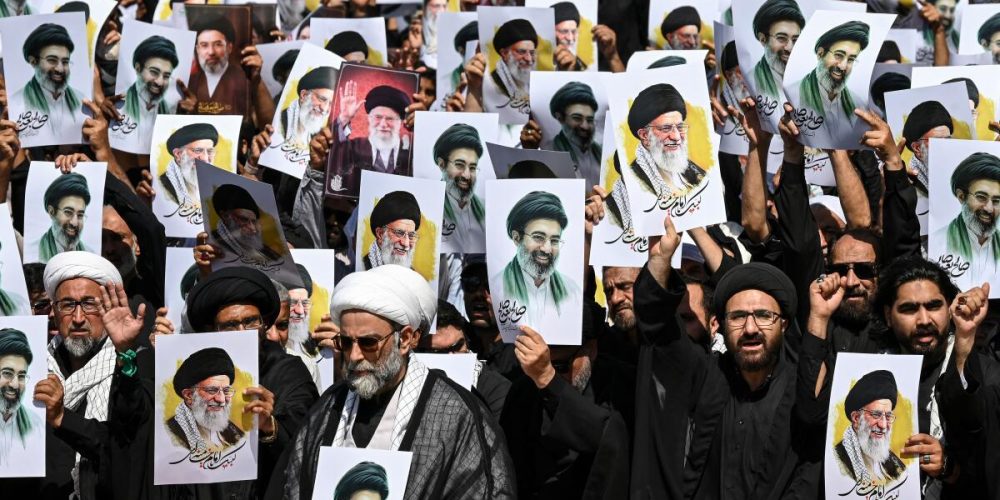
The status of the Supreme Leader has become a focal point for international observers and military strategists alike. Since assuming the role, the new leader has made few public appearances, fueling rumors regarding his ability to effectively govern or command the military. The President’s choice of words suggests that while the leader may be functional, he may not be operating at full capacity, which could have significant implications for the direction of the war.
Intelligence agencies have been working around the clock to verify reports coming out of the region. Information regarding the health of top Iranian officials is often treated as a state secret, making definitive confirmation difficult for outside parties. The President noted that the United States is utilizing a variety of resources to track these developments, emphasizing that clarity in leadership is essential for any potential future negotiations or de-escalation efforts.
The description of the leader as “damaged” has sparked various interpretations among geopolitical analysts. Some suggest it refers to physical health issues resulting from recent military strikes or internal strife, while others believe it may characterize a weakened political standing within the Iranian power structure. Regardless of the exact meaning, the public nature of the President’s comments serves as a strategic message to both allies and adversaries about the depth of American insight into the situation.
This development occurs as the conflict enters a phase where leadership stability could determine the outcome of the engagement. If the central authority in Iran is compromised, it could lead to fragmented decision-making among various military and paramilitary factions. The U.S. administration has expressed concern that a vacuum or a weakened leadership could make the conflict more unpredictable and harder to resolve through traditional diplomatic channels.
The White House continues to balance its public statements with the sensitive nature of ongoing intelligence gathering. While the President was willing to share his personal belief on the leader’s status, the administration has refrained from releasing specific data to support the claim. This approach maintains a level of strategic ambiguity while still influencing the narrative surrounding the Iranian government’s resilience.
As the situation evolves, the international community remains focused on whether the Iranian leadership will provide proof of life or issue a formal response to the President’s claims. Clear communication from within the region would be the most effective way to dispel rumors, yet the current climate of high-intensity conflict makes such transparency unlikely. For now, the President’s assessment remains one of the few authoritative voices speaking on a topic that has profound consequences for global security.