KEY POINTS
- Strategic priorities in the Gulf have pivoted, with regional leaders increasingly holding Iran directly accountable for localized instability rather than criticizing historical Western interventions.
- Collaborative defense frameworks and economic integration among neighboring states are creating a unified front that seeks to contain cross-border influence and maritime disruptions.
- This diplomatic realignment suggests a preference for regional self-reliance and direct de-escalation tactics over traditional reliance on outside mediation for security disputes.
A profound shift is occurring in the geopolitical landscape of the Middle East as Gulf nations recalibrate their diplomatic strategies. Recent observations indicate that the primary focus of political friction has moved toward Tehran, with Washington seeing a marked decrease in the public criticism that characterized previous decades. This change reflects a sophisticated recalculation by regional powers that are now prioritizing internal stability and economic expansion above all else.
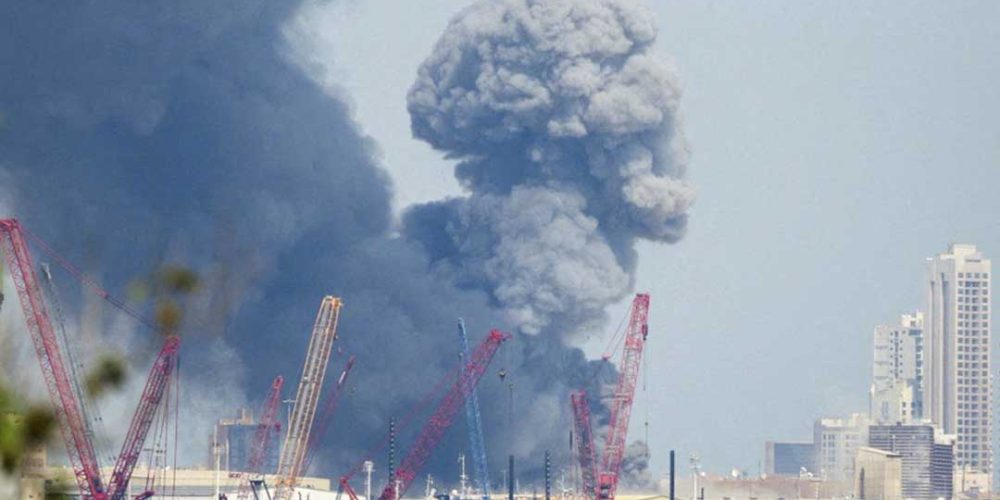
For years, the political discourse in the region often centered on the role of the United States in local conflicts. However, the current environment shows that Gulf leadership is increasingly concerned with the direct actions of neighboring states. There is a growing consensus that the preservation of global trade routes, particularly in the vital shipping lanes of the Gulf, is a shared responsibility that requires holding local actors to account for any disruptions.
The motivation behind this shift is largely economic. Many nations in the area are in the midst of ambitious diversification projects intended to move their economies away from oil dependency. These “Vision” programs require massive foreign investment and a stable environment to succeed. Consequently, any regional instability is viewed as a direct threat to these multi-decade economic goals. Leaders are signaling that they will no longer tolerate activities that jeopardize their status as emerging hubs for tourism, finance, and logistics.
Diplomats suggest that this unified stance is also a result of a maturing regional security architecture. Rather than looking solely to the West for protection, Gulf states are engaging in more direct dialogue with one another. This internal communication has led to a clearer understanding of shared threats. By focusing their diplomatic pressure on Tehran, these nations are attempting to set firm boundaries regarding regional influence and the support of non-state actors in neighboring territories.
The relationship with the United States has not disappeared but has instead evolved into a more pragmatic partnership. While security cooperation remains robust, Gulf capitals are asserting more independence in how they handle regional rivals. This “regional first” approach allows them to address security concerns through a combination of economic incentives and firm diplomatic warnings, rather than relying on the threat of external military intervention which can often be unpredictable.
Furthermore, there is a visible effort to integrate the region’s economies to the point where conflict becomes too costly for any single participant. By tying the prosperity of the entire Gulf to the stability of its waters, leaders hope to create a self-regulating system of peace. In this context, the focus on Tehran serves as a reminder that participation in the global economy requires adherence to international norms regarding sovereignty and maritime safety.
The public sentiment in these nations has also followed the lead of their governments. There is a noticeable desire among the younger generation for a future defined by growth and technological advancement rather than the ideological battles of the past. This demographic shift provides the political cover necessary for leaders to make bold diplomatic moves that might have been unthinkable a generation ago.
As the situation continues to develop, the global community is watching to see if this new alignment can lead to a lasting period of calm. The transition from blaming external powers to addressing regional grievances directly marks a significant chapter in Middle East history. It suggests that the path to stability may lie in local accountability and a collective commitment to protecting the economic lifelines that connect the region to the rest of the world.