KEY POINTS
- Intelligence analysts have concluded that the central government in Tehran remains cohesive and functional despite undergoing nearly two weeks of intensive military pressure.
- Internal reports suggest that the security apparatus continues to exercise effective control over the domestic population and key infrastructure.
- The recent transition of power to a new supreme leader appears to have proceeded without triggering the administrative collapse or widespread internal fractures that some outside observers anticipated.
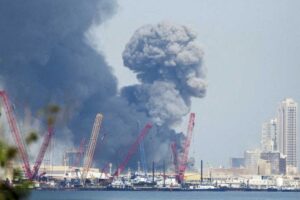
In a significant update to the ongoing regional crisis, United States intelligence agencies have determined that the Iranian government is not currently at risk of an imminent collapse. This assessment comes after nearly two weeks of a sustained military campaign involving airstrikes that have targeted high-level leadership and military assets. Despite these strikes, the core administrative and security structures of the nation appear to be maintaining their grip on power.
The findings indicate that the Islamic Revolutionary Guard Corps and other security branches have remained largely intact. These organizations continue to fulfill their roles in maintaining domestic order and managing the country’s defensive posture. Analysts point out that while the strikes have caused significant damage to physical infrastructure and led to the loss of several high-ranking officials, the underlying system of governance has shown unexpected resilience.
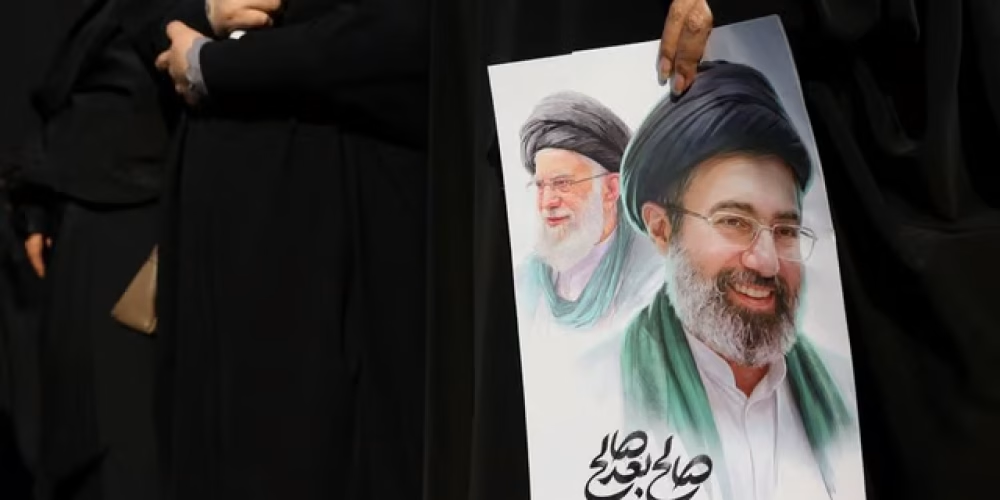
The transition following the death of the previous supreme leader on February 28 has been a focal point of this analysis. The quick elevation of Mojtaba Khamenei to the position of supreme leader suggests that the clerical establishment was prepared for such a contingency. This move has helped to project a sense of continuity and strength to the Iranian public, even as the nation faces its most severe external challenge in decades.
Inside the country, there have been few signs of the organized domestic uprisings that would typically precede a total government failure. While there has been documented internal dissatisfaction and past protest movements, the current environment of high-level securitization has made it difficult for any opposition groups to gain significant momentum. The intelligence suggests that the state’s ability to communicate with and control its citizens remains largely functional.
This evaluation presents a complex challenge for those who argued that a short, intense military campaign would lead to a swift change in leadership. Instead, the data points to a protracted scenario where the existing government remains entrenched. This reality complicates the diplomatic and military calculus for international actors who are seeking an end to the current hostilities but find themselves facing a defiant and operational administration in Tehran.
The reports also highlight that the Iranian leadership may be using the external threat to consolidate their authority. Historically, many governments have seen a “rally around the flag” effect during times of war, and there are indications that the current administration is attempting to leverage nationalistic sentiment to suppress internal dissent. This strategy, combined with the continued loyalty of the security forces, has created a buffer against the pressures of the air campaign.
Furthermore, the intelligence community notes that the situation remains fluid. While the government is not on the verge of falling today, the long-term effects of economic isolation and continued military attrition could eventually wear down these structures. However, for the immediate future, the consensus among analysts is that the clerical and military elite retain the capacity to govern and respond to developments.
As the international community debates the next steps, this assessment serves as a sobering reminder of the durability of established political systems. The hope for a vacuum of power that could lead to a rapid democratic transition is being replaced by a more realistic understanding of the regime’s survival capabilities. The focus now shifts to how this enduring stability will influence the terms of any potential ceasefire or future negotiations.