KEY POINTS
- The Council on American-Islamic Relations reported 8,683 bias complaints during the 2025 calendar year.
- Advocacy groups attribute the record-high numbers to recent executive crackdowns on demonstrations and immigration.
- Total reported incidents of anti-Muslim and anti-Arab bias surpassed previous historical peaks set in 2024.
A prominent Muslim advocacy organization reports that anti-Muslim sentiment reached record levels in the United States last year. The Council on American-Islamic Relations, or CAIR, released its annual civil rights data on Tuesday. The group recorded 8,683 formal complaints involving anti-Muslim and anti-Arab bias throughout 2025. This figure represents the highest number of incidents since the organization began tracking data in 1996.
The new data shows a slight increase over the 8,658 complaints documented in 2024. Advocates suggest that specific government actions contributed significantly to this trend. They point to President Donald Trump‘s recent policy shifts regarding public protests and border security. These federal crackdowns targeted pro-Palestinian demonstrations across the country. The administration also implemented stricter immigration controls that affected many Muslim-majority populations.
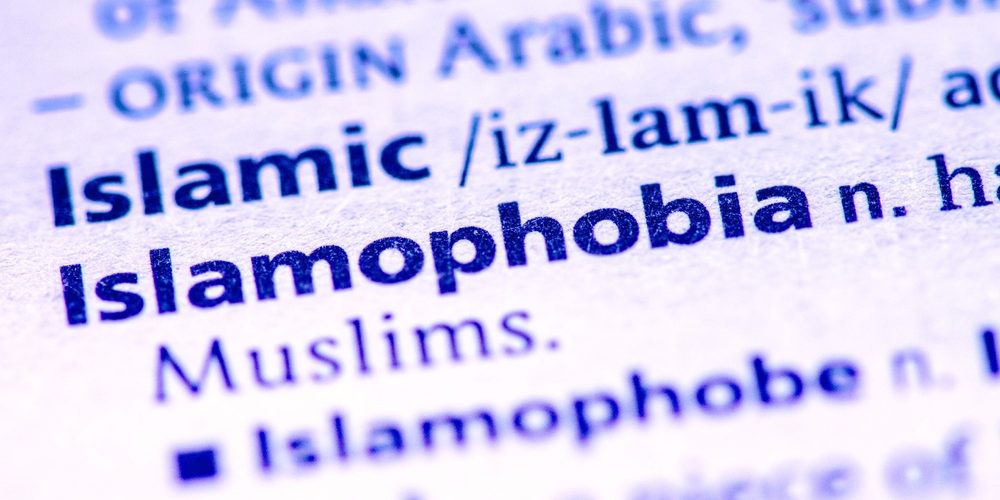
CAIR leaders stated that these political maneuvers helped fuel a climate of Islamophobia. The report highlights how government rhetoric often translates into real-world discrimination for many citizens. Many of the documented cases involved workplace discrimination and education-related bias. Other complaints focused on law enforcement interactions and unfair treatment at national borders.
The timing of the surge matches several high-profile legislative and executive moves. Federal agencies increased surveillance of activist groups during the past twelve months. Police departments also used more aggressive tactics to disperse campus and street protests. Many individuals involved in these movements reported being singled out because of their religious or ethnic backgrounds.
The report also mentions a rise in bullying within public schools. Students often faced harassment linked to international conflicts and domestic policy debates. These incidents contributed to a general sense of unease within Muslim communities. Families expressed growing concern about their safety in public spaces and religious centers.
The organization calls for more robust protections against religious and ethnic profiling. They argue that current federal strategies unfairly target specific minority groups. CAIR emphasizes that political leaders must address the impact of their words and policies. Without changes, the group fears that bias incidents will continue to climb.
This data release comes as the U.S. continues to navigate complex foreign policy challenges. Tensions in the Middle East often resonate within American domestic life. The 2025 statistics suggest that these global issues are deeply intertwined with local civil rights concerns. Advocacy groups plan to use this data to lobby for new legislative safeguards.