KEY POINTS
- Negotiations Refused: President Trump has formally rejected current diplomatic proposals to end the war with Iran, emphasizing that a settlement is not his current objective.
- Escalated Rhetoric: In a significant shift, the President suggested that the U.S. will focus on permanently dismantling Iran’s military and nuclear potential rather than seeking a ceasefire.
- Strategic Shift: The administration’s stance has raised global concerns over a prolonged conflict and the potential for a total overhaul of the Middle Eastern security landscape.
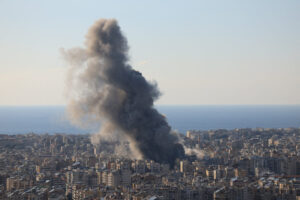
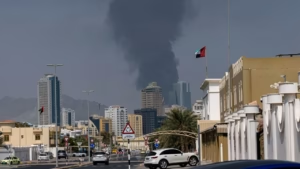
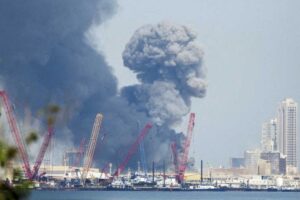
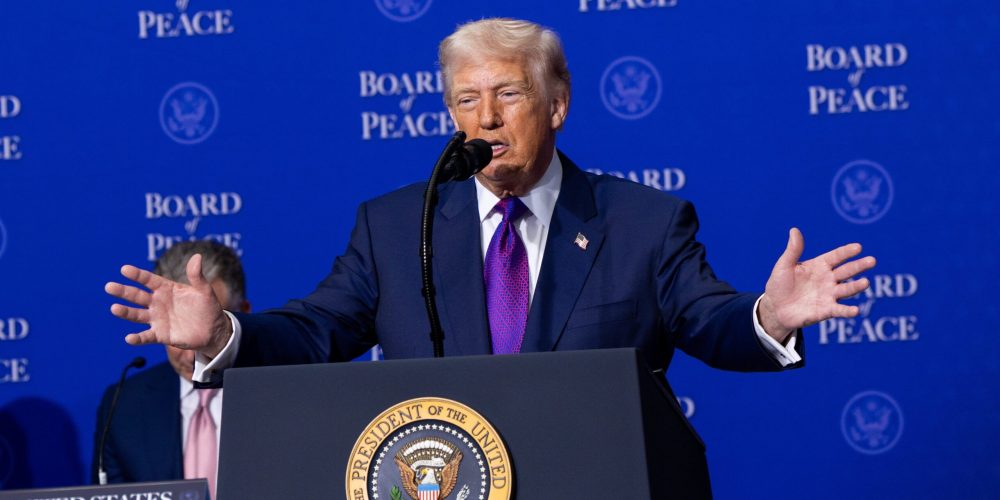
In a major escalation of both rhetoric and policy, President Donald Trump on Sunday dismissed the possibility of a negotiated settlement in the ongoing war with Iran. Speaking from Washington, the President made it clear that the United States is moving beyond a policy of containment, instead signaling an intent to permanently neutralize Iran’s offensive capabilities. The rejection of a ceasefire comes as international mediators have been scrambling to draft a framework for peace.
The President characterized previous diplomatic efforts as ineffective, stating that his administration is committed to a more final outcome. By raising the prospect of “killing all its potential”—referring to Iran’s military, economic, and nuclear infrastructure—the President has set a new, more aggressive tone for the conflict. This stance suggests that the U.S. military may be preparing for a sustained campaign aimed at total systemic degradation rather than a tactical withdrawal.
International reaction to the announcement has been swift and divided. Several European allies expressed deep concern that the abandonment of diplomacy could lead to a catastrophic regional collapse. Conversely, some regional partners have quietly welcomed the hardline approach, viewing it as a necessary step to end decades of instability. The Kremlin and Beijing have both warned that a policy of total destruction risks a wider global confrontation.
Within the Pentagon, officials are reportedly adjusting operational plans to reflect this “decisive conclusion” strategy. Military analysts suggest that the U.S. may increase its focus on high-value strategic targets, including command-and-control centers and long-range missile facilities. The shift in objective from “peace” to “neutralization” is expected to lead to an increase in the intensity and frequency of aerial and naval strikes in the coming weeks.
Economic markets responded to the news with immediate volatility. Oil prices, which had shown signs of stabilizing on rumors of a peace deal, spiked as the reality of a long-term conflict became clear. Financial experts warn that a “total victory” strategy could disrupt global energy supply chains for years, potentially leading to sustained inflationary pressure on the world economy.
As the conflict enters this new, more dangerous phase, the humanitarian situation in the region remains dire. International aid organizations have called for the protection of civilian infrastructure, even as the military campaign broadens. With the President’s latest directives, the path toward a diplomatic resolution appears to have been closed, leaving the future of the Middle East to be decided on the battlefield.