KEY POINTS
- Plans for the Iranian national team to use a state-of-the-art training facility in Tucson, Arizona, for the 2026 World Cup are on hold.
- The escalating military conflict between the U.S. and Iran has made the team’s participation and travel to North America highly uncertain.
- Tucson officials express concern over the potential loss of revenue and international exposure tied to hosting the “Team Melli” camp.
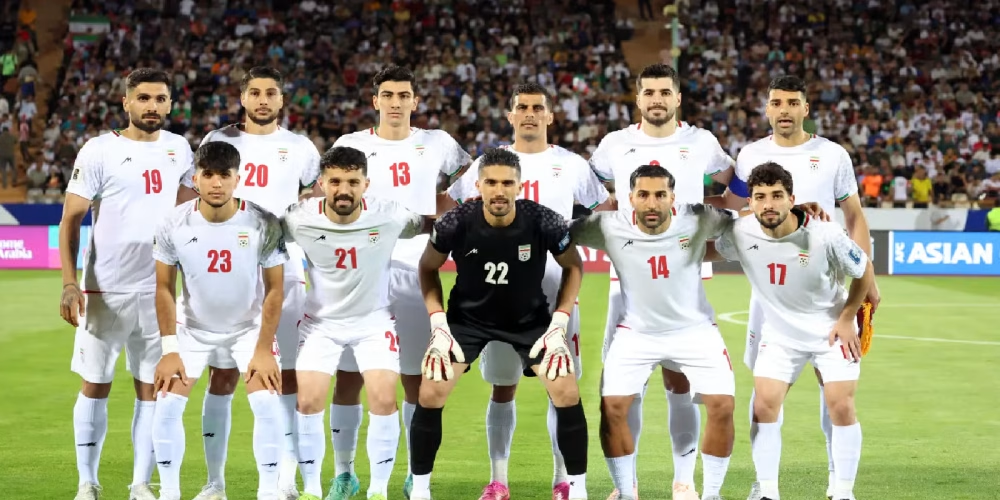
The escalating war between the United States and Iran has cast a shadow over the 2026 World Cup preparations, leaving a specialized training facility in Tucson, Arizona, in a state of operational limbo. The facility, which was designated as a primary base camp for the Iranian national football team, now sits quiet as the “Team Melli” squad’s participation in the upcoming tournament faces unprecedented doubt.
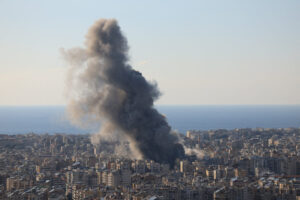
Local organizers in Tucson had spent months preparing for the arrival of one of Asia’s top-ranked teams, investing in pitch upgrades and security infrastructure. However, with the U.S. military currently engaged in active strikes against Iranian targets and travel bans intensifying, the logistics of hosting the Iranian delegation have become nearly impossible. Sources within the local organizing committee admit that communication with the Iranian Football Federation has effectively ceased.
The uncertainty is a significant blow to the city of Tucson, which had hoped to leverage the World Cup for global tourism and economic growth. Business leaders expressed frustration on Thursday, noting that hotel blocks and local contracts tied to the Iranian team are now in jeopardy. “We were ready to welcome the world, but the geopolitical reality has changed everything,” one city official stated.
Beyond the local impact, the broader football community is grappling with the moral and logistical implications of Iran’s status in the 2026 tournament. While FIFA has yet to issue a formal statement regarding Iran’s disqualification or withdrawal, the reality of a country at war with one of the tournament’s host nations makes their participation a security nightmare. Previous precedents of excluding nations during active conflicts are being discussed behind closed doors in Zurich.
Iranian players, many of whom compete in top European leagues, find themselves in an agonizing position. The national team has long been a source of pride and unity for the Iranian people, and the prospect of missing the first 48-team World Cup is a devastating blow to the sport in the region. However, with the domestic situation in Tehran worsening, football has understandably taken a backseat to national survival.
In Tucson, the facility remains maintained but empty. Groundskeeper crews continue to tend to the pitches in the off-chance of a diplomatic breakthrough or a reassignment of the site to another participating nation. FIFA officials are reportedly scouting “Plan B” options, including offering the Tucson site to teams currently dissatisfied with their assigned base camps in more humid climates.
As the June kickoff for the 2026 World Cup approaches, the “Tucson Limbo” serves as a stark reminder of how global conflict can derail the “beautiful game.” The transition from sports diplomacy to active warfare has left fans, athletes, and local businesses caught in the crossfire. For now, the desert facility stands as a silent monument to a tournament disrupted by the harsh realities of 2026.