KEY POINTS
- Meteorologists warn of a multi-day severe weather outbreak bringing heightened risks of nocturnal tornadoes across the Central United States.
- The storm system follows a deadly weekend that claimed at least eight lives and produced confirmed EF3 and EF2 tornadoes in Michigan and Oklahoma.
- High-risk zones for early this week include parts of Texas, Oklahoma, and Missouri, where favorable atmospheric conditions for supercells are expected.
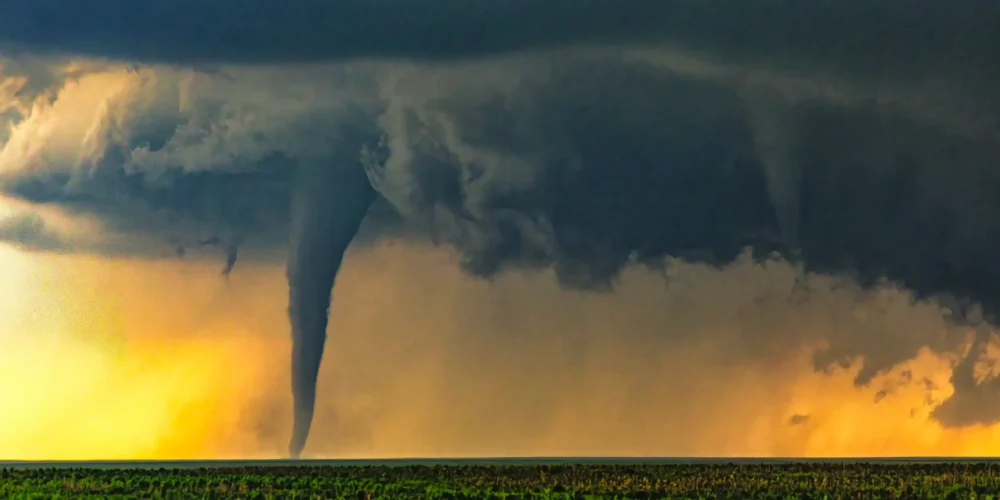
Communities across the central United States remain under high alert as a persistent and dangerous weather pattern continues to trigger severe storms. Forecasters are particularly concerned about the potential for nighttime tornadoes, which are historically more lethal because they are difficult to spot and often occur while residents are asleep. This week’s atmospheric setup involves a powerful clash between unseasonably warm, moisture-rich air from the Gulf of Mexico and an advancing cold front, creating an ideal environment for intense storm development.
The current threat follows a devastating start to March. Over the past several days, a series of powerful thunderstorms swept through the Plains and Midwest, leaving a trail of destruction in several states. In Michigan, an EF3 tornado caused significant structural damage in Three Rivers and resulted in multiple fatalities. Similarly, in Oklahoma, emergency services reported deaths after an EF2 tornado struck near Fairview. These events have prompted several governors to declare states of emergency to accelerate recovery efforts and prepare for the next wave of activity.
Looking ahead to the next 48 to 72 hours, the risk area shifts back toward the southern and central Plains. Meteorologists at the Storm Prediction Center have highlighted a corridor stretching from northern Texas into Missouri as the primary zone for potential supercell formation. These isolated storms are capable of producing all modes of severe weather, including very large hail—some potentially reaching the size of softballs—and damaging straight-line winds exceeding 70 miles per hour.
The nocturnal nature of the upcoming storms presents a significant safety challenge. Authorities are urging residents to have multiple ways of receiving weather alerts, such as NOAA weather radios and mobile apps with audible notifications that can bypass “do not disturb” settings. Relying on outdoor sirens is discouraged for those indoors or asleep. Public safety officials emphasize that having a pre-determined shelter plan is critical, especially for those living in mobile homes or structures without basements.
In addition to the wind and tornado hazards, the slow-moving nature of these storm clusters increases the risk of flash flooding. Some areas are forecast to receive up to four inches of rain in a short period, which could quickly inundate low-lying roads and urban drainage systems. While the moisture is welcomed in some drought-stricken agricultural regions, the intensity of the rainfall may lead to significant runoff and soil erosion rather than beneficial absorption.
The unusual intensity of this early-March outbreak is being attributed by some experts to record-breaking regional temperatures. With highs reaching into the 70s and 80s as far north as Michigan last week, the atmosphere has been primed with energy typically seen in late April or May. This early start to the severe weather season serves as a stark reminder that life-threatening storms can occur well outside the traditional “peak” months.
As the cold front eventually pushes eastward later in the week, temperatures are expected to drop to more seasonable levels, providing a reprieve from the volatile conditions. However, until the system fully clears the region, weather experts maintain that vigilance is the best defense. Local emergency management teams continue to monitor radar and coordinate with storm spotters to provide as much lead time as possible for any impending warnings.