KEY POINTS
- The U.S. government has officially launched chartered evacuation flights to assist Americans fleeing the escalating regional conflict.
- These rescue missions are primarily operating out of secondary hubs as major international airports face continued security closures.
- State Department officials are urging all registered citizens to monitor their communications for immediate manifest instructions and departure windows.
The United States has initiated a large-scale emergency air bridge to retrieve thousands of its citizens currently stranded across the Middle East. As commercial aviation remains largely paralyzed due to ongoing military actions, the U.S. State Department has contracted specialized charter carriers to operate evacuation routes. These flights represent a critical lifeline for families and travelers who have been unable to secure passage home since the regional security situation deteriorated in late February.
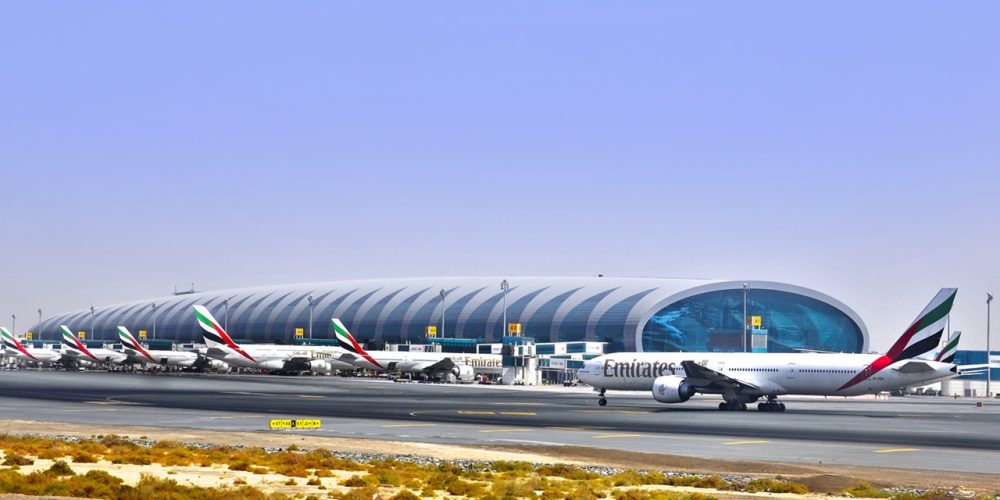
The logistics of these missions are being handled with extreme caution, often utilizing airports in neighboring countries that remain outside the immediate conflict zones. Because primary hubs like Dubai and Doha have faced intermittent shutdowns, many Americans are being directed to regional transit points to board these government-arranged flights. Travelers are being prioritized based on vulnerability, with a focus on unaccompanied minors, the elderly, and those with urgent medical needs.
Consular teams have been deployed to these transit hubs to assist with emergency documentation for those who may have lost passports or visas during the chaos. The State Department has emphasized that while these flights provide a path to safety, the situation on the ground remains highly fluid. Citizens are advised to travel to designated assembly points only when they have received a confirmed seat on a manifest, as security at transportation centers remains extremely tight.
For many Americans, the journey to these charter flights has involved significant overland travel across desert borders. The U.S. government is working in tandem with regional allies to ensure safe passage corridors for these convoys. As the conflict shows no immediate signs of de-escalation, officials warn that the window for these charter operations may be limited, urging everyone still in the impacted 14 nations to take the first available opportunity to depart.