KEY POINTS
- Significant Losses: The U.S. military announced it has sunk or neutralized more than 30 Iranian naval ships and fast attack craft since the conflict began.
- Maritime Control: U.S. Central Command (CENTCOM) reports the operations are essential to keeping critical shipping lanes open in the Persian Gulf.
- Ongoing Combat: Officials warn that Iranian “swarm” tactics continue to pose a threat despite the high number of losses sustained by Tehran’s fleet.
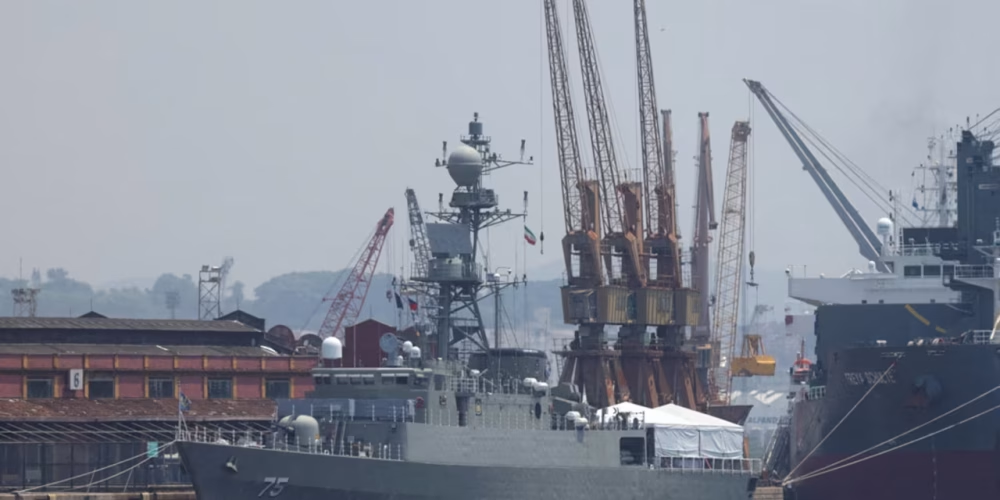
The United States military has delivered a major blow to Iran’s naval capabilities, confirming on Thursday that it has sunk more than 30 Iranian vessels during the first week of hostilities. U.S. Central Command released the figures as part of a broader assessment of the ongoing maritime conflict. The neutralized fleet includes a mix of conventional warships and the smaller, fast-attack “swarm” boats frequently used by the Islamic Revolutionary Guard Corps (IRGC).
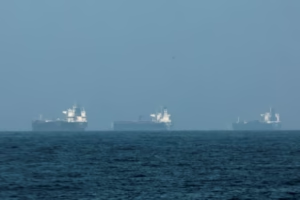
CENTCOM officials stated that the strikes were necessary to counter “imminent threats” to commercial shipping and U.S. naval assets in the region. Many of the engagements took place near the Strait of Hormuz, a vital chokepoint for global oil supplies. The U.S. Navy utilized a combination of carrier-based aircraft, ship-launched missiles, and attack helicopters to dismantle the Iranian maritime defenses.
The Pentagon emphasized that the primary objective remains the restoration of safe passage for international trade. However, the high number of sunken vessels highlights the intensity of the naval combat. Analysts suggest that the U.S. is prioritizing the destruction of any platform capable of deploying anti-ship missiles or mines. This strategy is intended to prevent Iran from effectively closing the Gulf to Western traffic.
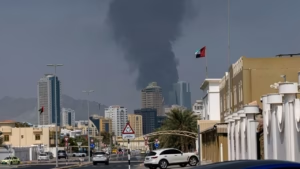
Despite the significant losses, Iranian forces continue to challenge U.S. dominance in the water. Intelligence reports indicate that Tehran is utilizing coastal batteries and mobile missile launchers to supplement its depleted fleet. The U.S. military has responded by expanding its surveillance and strike zone to include mainland port facilities and known IRGC naval bases.
The White House has cited these naval successes as proof that the current military strategy is effectively degrading Iran’s ability to project power. However, some regional observers worry that the total destruction of the Iranian navy could lead to even more desperate and unconventional tactics. The risk of environmental damage from sunken tankers or warships also remains a growing concern for neighboring Gulf states.
As the maritime war continues, the U.S. is coordinating with a coalition of allies to provide additional escort for commercial vessels. The mission has turned the Persian Gulf into one of the most active combat zones in the world. Military leaders remain on high alert, anticipating potential retaliation against American bases in the region following the lopsided naval results.