KEY POINTS
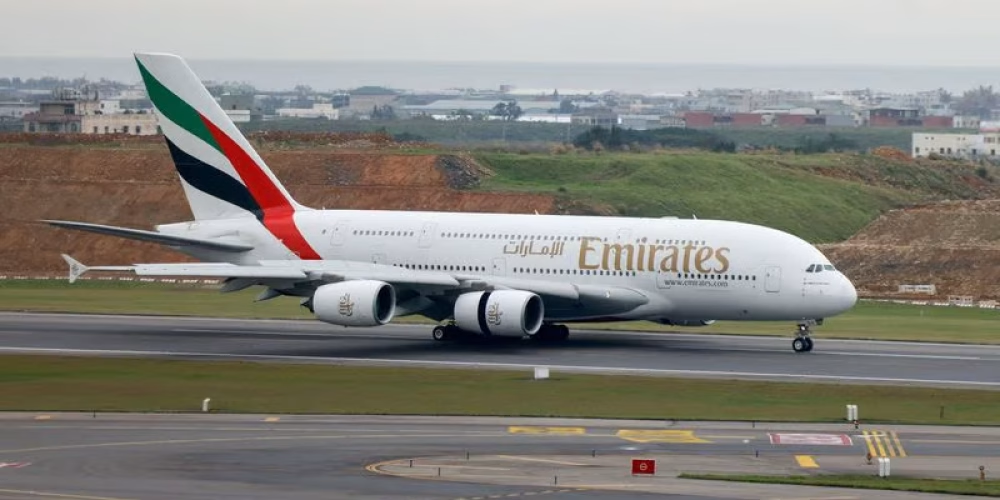
- Major Gulf carriers have begun restoring a limited number of regional flights following recent airspace closures.
- Aviation authorities warned that the threat of continued missile fire keeps schedules highly unpredictable.
- International travelers face significant disruptions and surging costs as airlines navigate high-risk corridors.
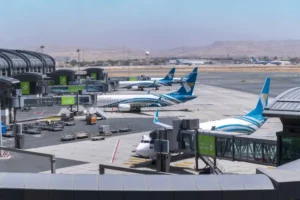
Major airlines across the Gulf region began a cautious resumption of limited flight operations on Friday. The move comes after days of widespread cancellations triggered by the escalating conflict between the United States and Iran. While carriers are attempting to restore essential connectivity, they warned that schedules remain extremely fragile. The ongoing threat of missile fire and drone activity continues to haunt the primary flight paths over the Middle East.
National aviation authorities have issued revised safety protocols for all commercial traffic entering regional airspace. Pilots are being directed to avoid specific high-risk corridors that have seen recent military activity. This has forced airlines to utilize longer, more expensive routes to bypass potential danger zones. These detours are adding hours to travel times and placing an immense logistical strain on fuel supplies and crew scheduling.
The atmosphere at major transit hubs like Dubai and Doha remains one of high anxiety. Thousands of passengers remain stranded or face significant delays as airlines prioritize the most critical routes. Carriers emphasized that any sudden spike in hostilities will result in immediate groundings to ensure passenger safety. Travel insurance providers have also begun adjusting policies, reflecting the increased risks associated with regional transit.
Economic analysts warn that the prolonged disruption is dealing a heavy blow to the region’s tourism and business sectors. The Gulf has long served as a vital bridge between East and West, and any instability in its airspace has global repercussions. If the conflict widens, the increased cost of jet fuel and insurance premiums could lead to a permanent spike in international ticket prices.
Security experts are monitoring the situation closely, noting that commercial airliners are particularly vulnerable during periods of intense electronic warfare. There are growing concerns regarding the potential for GPS jamming or misidentification by air defense systems. Airlines are coordinating daily with military commanders to minimize the chance of a tragic accident in the crowded skies.
For now, travelers are being advised to check flight statuses frequently and prepare for last-minute changes. Many airlines are offering flexible rebooking options as they navigate the most turbulent period for regional aviation in decades. The industry’s recovery remains entirely dependent on the de-escalation of the military campaign currently unfolding across the region.