KEY POINTS
- The United Arab Emirates’ real estate market is experiencing a sharp correction as investors react to the security implications of recent military strikes in the region.
- Luxury property transactions in Dubai and Abu Dhabi have slowed significantly, with some high-end off-plan projects facing delays due to shifting capital flows.
- Economic analysts suggest that while the sector remains resilient, a prolonged period of regional tension could impact the “safe haven” status that has driven the UAE’s property boom.
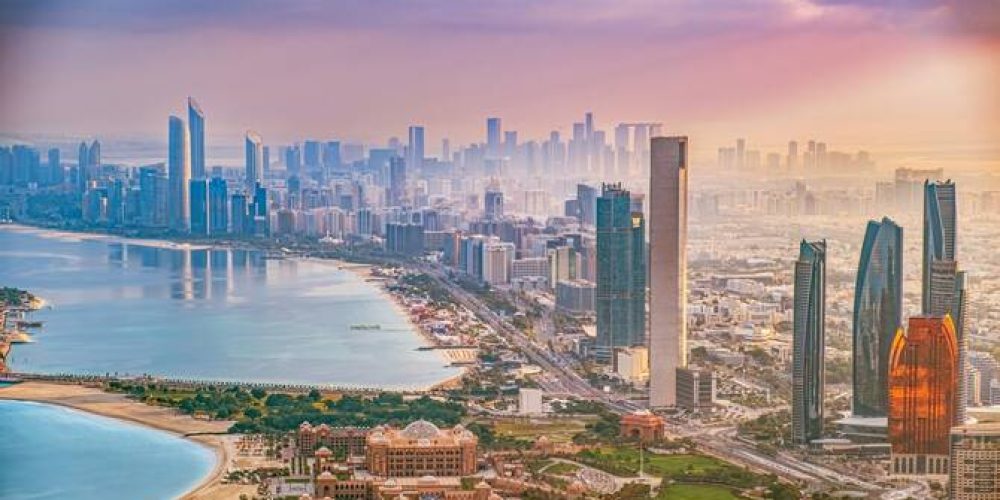
The United Arab Emirates’ real estate industry, a cornerstone of the nation’s non-oil economy, is navigating a period of intense uncertainty following the recent escalation of conflict in the Middle East. According to reports from Reuters, the rapid growth seen in the Dubai and Abu Dhabi markets over the past several years is facing its most significant test yet. As security concerns dominate international headlines, the influx of foreign capital that fueled record-breaking luxury sales appears to be cooling, leading to a broader conversation about the sustainability of current valuation levels.
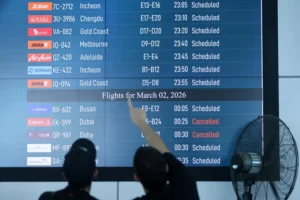
The immediate impact has been most visible in the high-end segment of the market. Real estate agencies have reported a noticeable drop in inquiries from international buyers who previously viewed the UAE as a stable sanctuary for global wealth. This hesitation is particularly evident in the “off-plan” sector, where investors commit to properties still under construction. Concerns regarding regional logistics and the long-term stability of the Gulf’s aviation and maritime corridors have prompted some institutional investors to pause new acquisitions until a clearer geopolitical picture emerges.
Despite the current headwinds, industry experts point to the fundamental strengths of the UAE’s regulatory environment. The “Golden Visa” program and favorable tax structures continue to be powerful incentives for long-term residency, which may provide a buffer against a total market downturn. However, the premium placed on the UAE as a “neutral ground” for global business is being weighed against the physical realities of proximity to active conflict zones. Analysts suggest that the market may shift from a speculative “growth” phase into a more stable “maintenance” phase as the secondary market adjusts to the new risk premiums.
For local developers, the challenge lies in maintaining momentum while navigating potential supply chain disruptions. The UAE’s construction sector relies heavily on imported materials, and any prolonged closure of regional shipping lanes could lead to increased costs and project timelines. While major developers remain well-capitalized, smaller firms may face liquidity challenges if the current slowdown in sales persists into the next fiscal quarter. The government’s response to these economic pressures, including potential stimulus measures or further ease-of-doing-business reforms, will be critical in maintaining investor confidence.
As the situation develops, the UAE’s property sector serves as a barometer for the region’s broader economic resilience. While the initial “shock” of the conflict has led to a natural correction, the long-term outlook will depend on the de-escalation of tensions and the continued diversification of the UAE economy. For now, the market remains in a “wait-and-see” mode, with buyers and sellers alike looking for signs of a return to the stability that has defined the Emirates’ spectacular rise on the global stage.