KEY POINTS
- NATO Secretary-General Mark Rutte confirmed that Article 5 is not being considered following a recent Iranian missile incident.
- The missile reportedly breached the airspace of a member state during Iran’s large-scale attack on Israel.
- Alliance leaders remain focused on de-escalation and monitoring the situation rather than launching a military retaliation.
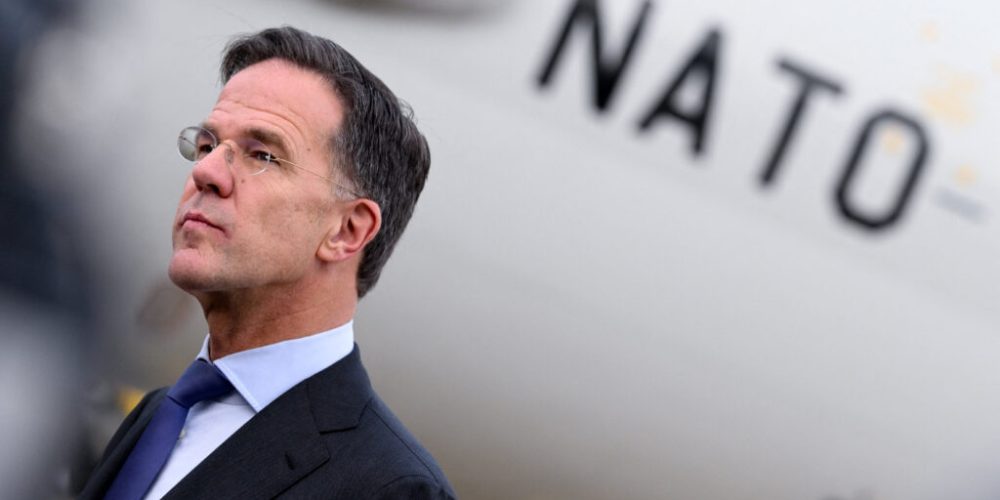
NATO Secretary-General Mark Rutte clarified the alliance’s position on Thursday regarding a recent maritime and aerial escalation. He stated that the organization is not currently discussing the invocation of Article 5. This announcement follows reports of an Iranian missile entering the airspace of a NATO member nation. The incident occurred during a massive barrage launched by Tehran toward Israeli targets earlier this week.
Article 5 serves as the cornerstone of the North Atlantic Treaty, established on the principle of collective defense. It dictates that an attack against one member is considered an attack against all members. While the intrusion caused immediate concern among regional security officials, Rutte emphasized that the situation does not meet the threshold for a military response. The alliance is prioritizing diplomatic communication to prevent a wider conflict.
The Secretary-General addressed the media following a high-level briefing with representatives from across the 32-member bloc. He acknowledged that the violation of sovereign airspace is a serious matter that requires a thorough investigation. NATO technical teams are currently analyzing flight data to determine the exact path of the projectile. Preliminary findings suggest the breach was likely a result of the missile’s trajectory toward its intended Middle Eastern target.
Despite the decision to withhold a military response, NATO has increased its surveillance and air policing missions in the region. Member states located near the conflict zone have been placed on a heightened state of alert. The alliance aims to ensure that its defensive perimeter remains secure while avoiding any actions that could be interpreted as an escalation. Rutte reiterated that the primary goal of the organization is to maintain stability and protect its borders.
International observers have been watching the alliance closely for signs of a shift in its defensive posture. The spillover of the Iran-Israel conflict into European territory has raised difficult questions for policymakers in Brussels. Some Eastern European members have called for a more robust deterrent strategy to discourage future incursions. However, the current consensus among major powers favors a measured and cautious approach to the developing crisis.
The White House has echoed Rutte’s sentiments, stressing that the United States remains committed to its NATO obligations. Administration officials are coordinating with European allies to share intelligence and assess potential threats. They believe that a unified diplomatic front is the most effective way to address Iranian aggression at this time. The situation remains fluid as military analysts monitor the movements of Iranian forces across the region.
NATO will continue to evaluate the security landscape during upcoming ministerial meetings scheduled for later this month. Leaders are expected to discuss new protocols for responding to stray missiles and drones from external conflicts. The recent incident has highlighted the need for improved early warning systems and integrated air defense networks. For now, the alliance remains in a watchful posture, focused on deterrence through presence rather than active combat.