KEY POINTS
- Digital health experts warn that “mukbang” videos and extreme food challenges on social media are normalizing excessive calorie consumption among younger audiences.
- High-definition, “food porn” content triggers neurological reward centers, often leading to impulsive eating and a distorted perception of healthy portion sizes.
- A new study suggests a direct correlation between high daily screen time on short-form video apps and increased cravings for ultra-processed, high-fat foods.
The rise of short-form video platforms has introduced a new and potent variable into the global struggle with weight management: the viral food trend. According to a report featured on Samaa TV, the digital landscape is increasingly dominated by content that celebrates “extreme” eating. From massive cheese-laden platters to “ASMR” videos of high-calorie consumption, these trends are doing more than just garnering likes; they are fundamentally altering the way a new generation interacts with food. Health professionals are now labeling this phenomenon as a significant driver of rising obesity rates, particularly among Gen Z and Alpha.
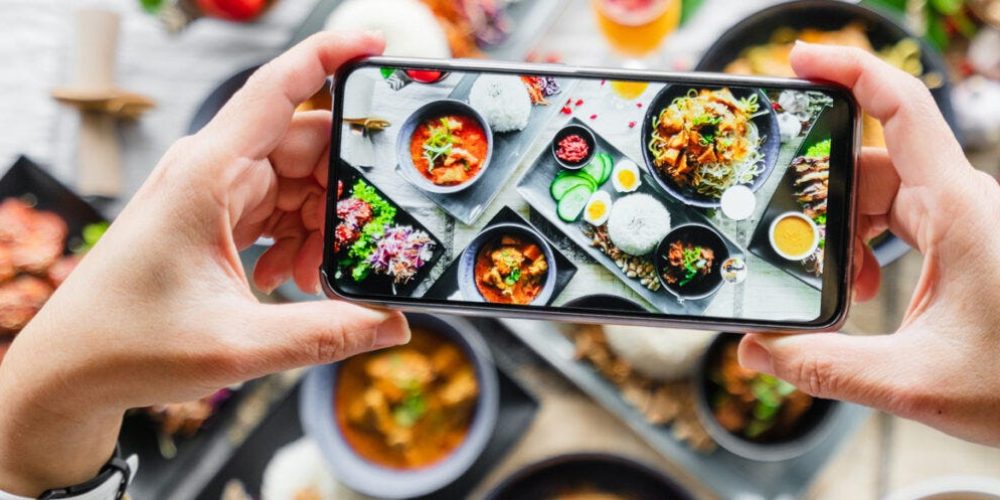
The psychological impact of this content is deeply rooted in how the human brain processes visual stimuli. Scientists explain that viewing hyper-stylized, “ultra-palatable” food—often referred to as “food porn”—releases dopamine, the same chemical associated with pleasure and reward. When users are constantly exposed to these images through infinite scrolls, it creates a “digital hunger” that often translates into real-world overeating. The convenience of integrated food delivery apps further bridges the gap between seeing a viral dish and consuming it, often within minutes of exposure.
Beyond simple cravings, social media is accused of distorting “portion size norms.” In many viral challenges, the quantity of food consumed is far beyond what is nutritionally sound, yet the celebratory nature of these videos makes such behavior appear aspirational. This normalization is especially dangerous for children and teenagers, whose eating habits and body images are still in a formative stage. Critics argue that while traditional TV advertising was regulated, the unregulated frontier of influencer-driven food content bypasses many existing public health safeguards.
The Samaa report also highlights the “echo chamber” effect of social media algorithms. Once a user shows interest in high-calorie food content, the algorithm prioritizes similar videos, creating a constant stream of dietary temptation. This persistent exposure makes it significantly harder for individuals to stick to balanced meal plans. Public health advocates are now calling for “digital nutrition” education, urging platforms to balance the scales by promoting more diverse, health-conscious content creators and adding disclaimers to videos featuring extreme overconsumption.
As the link between digital habits and physical health becomes clearer, the conversation is shifting toward platform accountability. While individual choice remains a factor, the persuasive power of modern algorithms cannot be ignored. Medical experts suggest that addressing the obesity epidemic in the 2020s requires more than just traditional diet advice; it requires a comprehensive understanding of our digital environment. By recognizing the influence of viral trends, communities can begin to develop strategies to protect younger populations from the unintended health consequences of their favorite apps.