KEY POINTS
- United Nations investigators found that the ongoing military campaign against Iran breaches the UN Charter.
- A specific strike on an Iranian school resulted in a high number of civilian casualties, sparking global outcry.
- International legal experts warn that targeting educational facilities and civilian hubs may constitute war crimes.
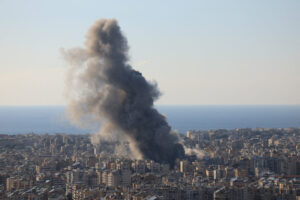
A United Nations investigative team released a preliminary report Wednesday regarding the current military offensive in Iran. The findings state that the intervention conducted by the United States and Israel violates the core principles of the UN Charter. Investigators argued that the scale of the operations exceeds the legal limits for self-defense and lacks proper international authorization. This legal assessment adds significant pressure on the coalition to justify the mounting human cost of the conflict.
The most critical portion of the report details a devastating strike on a school in central Iran. The UN probe confirmed that the facility was occupied at the time of the attack, leading to dozens of civilian deaths. Many of the victims were children and staff members who were caught in the blast during daytime hours. The report described the evidence from the scene as shocking and called for an immediate independent verification process.
Coalition officials have maintained that their operations only target military infrastructure and command centers. They frequently accuse the Iranian government of using civilian buildings to shield military assets and personnel. However, the UN report found no immediate evidence of military activity within the specific school that was hit. Legal experts suggest that failing to distinguish between military and civilian targets is a direct violation of the Geneva Conventions.
The findings have triggered a wave of condemnation from several world leaders and humanitarian organizations. Many nations are calling for an immediate humanitarian pause to allow aid agencies to reach the affected areas. There is growing concern that the destruction of schools and hospitals will lead to a long-term social collapse in Iran. The UN Secretary-General urged all parties to prioritize the protection of non-combatants during active combat.
In the United States, the report has sparked intense debate within the administration and Congress. Some lawmakers are demanding more transparency regarding the rules of engagement and the selection of targets. They argue that the loss of civilian life undermines the strategic goals of the mission and fuels regional resentment. Meanwhile, proponents of the “Epic Fury” operations insist that neutralizing the Iranian threat remains the highest national priority.
The Iranian government has utilized the UN findings to bolster its diplomatic defense on the global stage. Tehran’s UN envoy presented the report as evidence of illegal aggression and war crimes committed by the coalition. Iran is seeking an emergency session of the General Assembly to discuss potential sanctions against the intervening powers. These diplomatic maneuvers aim to isolate the coalition and gain support from neutral nations.
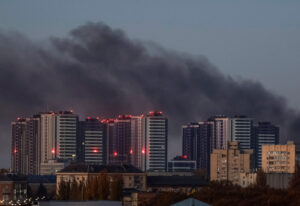
International humanitarian law requires that all military actions must be necessary and proportional to the threat. The UN probe suggests that the current campaign has failed to meet these criteria in several documented instances. Beyond the school attack, the report highlighted the destruction of water treatment plants and electrical grids. This widespread damage to basic infrastructure has left millions of civilians without essential services.
The situation remains fluid as military operations continue despite the legal and humanitarian warnings. The UN team plans to release a more comprehensive report as they gain more access to various strike zones. For now, the global community faces a difficult challenge in balancing security interests with the protection of human rights. The outcome of these investigations could have lasting implications for the future of international military interventions.