KEY POINTS
- Senior officials indicate that the UK has not ruled out conducting its own strikes against Iranian missile sites.
- The government maintains that such actions would remain strictly defensive to protect British personnel and regional allies.
- British military bases are currently being prepared to support the arrival of heavy American bombers for ongoing operations.
The British government is keeping its military options open regarding the escalating conflict in the Middle East. Senior officials have indicated that the United Kingdom might conduct future strikes on missile sites within Iran. This stance marks a significant shift as regional tensions continue to rise following a week of intense military activity. While the UK initially focused on interception, the focus is turning toward neutralizing threats at their origin.
Current military planning remains centered on the concept of collective self-defense. Officials emphasize that any direct British involvement would aim to protect the 200,000 UK citizens living in the region. The government argues that destroying launch sites is the most effective way to prevent further indiscriminate aerial attacks. These discussions follow several successful interceptions of Iranian drones and missiles by Royal Air Force jets.
The United Kingdom has already granted the United States permission to use specific British sovereign bases for operations. Logistics teams are currently preparing these facilities to host heavy American bombers and support aircraft. This cooperation is designed to degrade the Iranian regime’s ability to target non-combatant nations and commercial shipping lanes. Military experts suggest that the arrival of these assets will significantly increase the tempo of coalition strikes.
Despite the potential for expanded operations, London continues to describe its role as strictly defensive. Ministers have been careful to distinguish their actions from the broader offensive goals of other allies. The government is also publishing summaries of legal advice to justify its current and future military posture. This transparency aims to address domestic concerns regarding international law and the risk of a prolonged conflict.
The security situation in the Eastern Mediterranean remains a primary concern for British defense planners. Recent drone activity near RAF Akrotiri in Cyprus has prompted an increase in force protection levels. Families of service personnel are being moved to temporary accommodations as a precautionary measure against further retaliation. These local threats are driving the debate over whether the UK should take a more proactive offensive role.
Diplomatic channels remain open but have produced few results as both sides remain locked in a cycle of escalation. The UK government continues to call for a return to a negotiated settlement regarding Iran’s nuclear program. However, officials admit that the current military reality makes immediate diplomacy difficult to achieve. The priority remains the immediate safety of British interests and the stabilization of global trade routes.
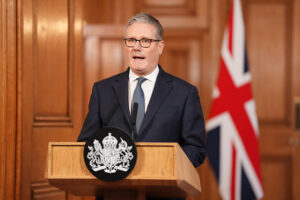
Parliamentary scrutiny of the government’s strategy is expected to intensify in the coming days. Some political leaders are calling for a formal vote before the UK commits to its own independent strike missions. They warn against the “slippery slope” of becoming fully entangled in a wider regional war. The Prime Minister maintains that the national interest requires a flexible and firm response to ongoing aggression.
The next phase of the conflict will likely depend on the effectiveness of the current bombing campaign. If Iranian missile barrages continue, the pressure on Britain to participate in direct strikes will grow. For now, the RAF remains in a high state of readiness to defend the region from further incursions. The world is watching closely as one of the most volatile regions faces a period of deep uncertainty.