KEY POINTS
- American military strikes hit an Iranian warship following a series of hostile maneuvers in the Gulf.
- Dozens of commercial oil tankers remain trapped for a fifth day as maritime passage remains closed.
- Global energy markets face increasing instability as the critical shipping lane remains completely blocked.
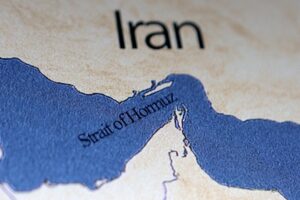
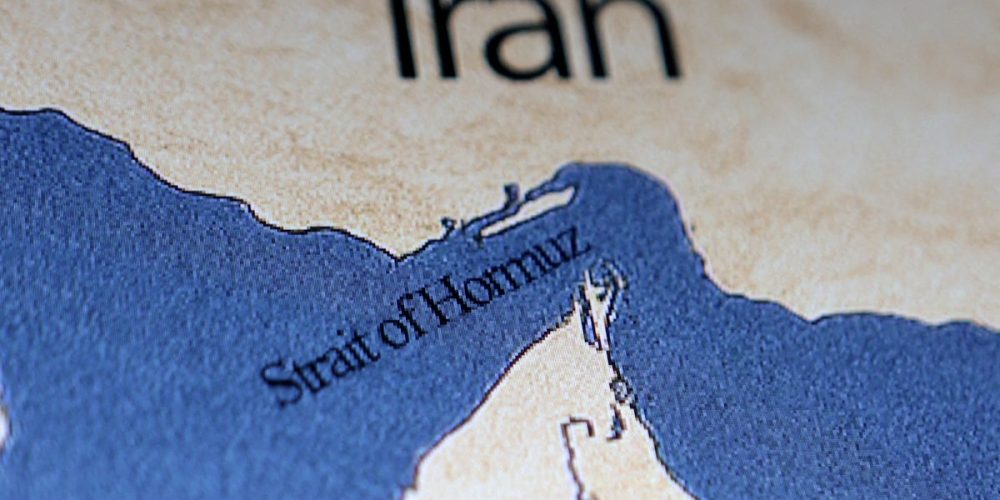
The maritime crisis in the Middle East has reached a dangerous new level on Wednesday. United States military forces engaged and struck an Iranian warship in the Persian Gulf. This action followed reports of the vessel harassing commercial shipping traffic near the Strait of Hormuz. Military officials describe the strike as a necessary defensive measure to protect international waters.
The situation has caused a total halt of movement through the world’s most vital oil corridor. For the fifth consecutive day, dozens of massive crude oil tankers are stuck in place. These vessels cannot enter or exit the Gulf due to the ongoing military activity and security risks. Ship captains report that they are awaiting orders in increasingly crowded anchorage zones outside the strait.
Insurance companies have responded to the violence by significantly raising premiums for regional transit. Some maritime firms have ordered their entire fleets to avoid the area until further notice. This shutdown removes millions of barrels of oil from the daily global supply chain. Energy analysts warn that a prolonged closure will trigger a sharp spike in fuel prices worldwide.
The Iranian warship targeted by the US was allegedly placing mines in the water. These explosive devices pose a lethal threat to civilian tankers and military vessels alike. American surveillance teams documented the activity before the decision to launch the strike. The damaged vessel is reportedly listing but its current operational status remains unconfirmed by independent sources.
Port authorities in neighboring Gulf nations are struggling to manage the backlog of stranded cargo. Storage facilities in the region are reaching their maximum capacity as exports remain frozen. This logistical bottleneck threatens the economic stability of countries that rely heavily on energy revenues. International shipping organizations are calling for the immediate establishment of a safe transit corridor.
Diplomatic efforts to reopen the waterway have so far failed to produce any results. Several world powers have urged both sides to show restraint and prioritize the safety of global trade. However, the presence of sea mines makes any immediate resumption of traffic extremely hazardous. Specialized mine-clearing teams may need weeks to secure the entire passage for commercial use.
The United States has deployed additional naval assets to the region to reinforce its presence. These ships are tasked with providing a security screen for any tankers that attempt to move. Despite these measures, most commercial operators refuse to risk their vessels in the current environment. The standoff has effectively created a localized embargo on one of the world’s most sensitive trade routes.
Global markets are reacting with high volatility as the blockade continues without a clear end date. Stock exchanges in major financial hubs recorded losses as investors weighed the risk of an energy crisis. Every day the strait remains closed adds significant pressure to the global economy. The international community remains focused on the Gulf as the threat of wider war grows.