KEY POINTS
- International governments have launched urgent repatriation missions to rescue tens of thousands of travelers stranded by the five-day closure of major Gulf transit hubs.
- The aggressive sell-off of global airline stocks showed signs of recovery on Wednesday, with carriers like Lufthansa and IAG regaining modest ground after double-digit losses.
- Industry experts warn of long-term financial fallout due to skyrocketing jet fuel costs and the logistical nightmare of pilots and crew being scattered across the globe.
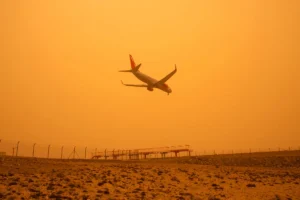
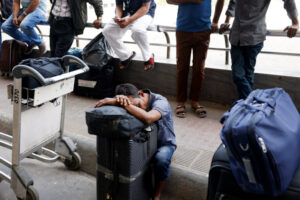
The most significant aviation crisis since the global pandemic entered a new phase on Wednesday as the first organized repatriation flights began departing from the Middle East. With the world’s busiest international terminals in Dubai, Abu Dhabi, and Doha remaining largely paralyzed for a fifth consecutive day, Western governments have moved to establish emergency air corridors. Initial flights destined for London and Paris represent the first wave of a massive logistical effort to extract marooned tourists and expatriates caught in the crossfire of the escalating regional conflict.
While the humanitarian effort scales up, the financial markets provided a glimmer of stability for the embattled aviation sector. Following a brutal three-day period that saw tens of billions of dollars in market value evaporate, major airline stocks began to stabilize. Lufthansa and British Airways owner IAG both saw modest gains in mid-week trading, paring back some of the double-digit percentage drops experienced earlier in the week. Despite this pause in the “panic-selling” phase, analysts remain cautious, noting that the sector’s recovery is tethered to a highly unpredictable military situation.
The operational challenges facing airlines extend far beyond closed runways. Executive leadership at several major carriers have voiced concerns over a “displaced workforce” problem that could delay a return to normalcy even after airspace reopens. With flight crews and specialized technical staff currently scattered across different continents due to emergency diversions, the simple act of reassembling a functional flight schedule could take weeks. This human resource vacuum is compounded by the fact that many long-haul routes now require significantly longer flight paths to avoid the combat zones.
Economic pressure is also mounting from the energy sector. As the conflict intensifies, oil prices have surged, directly impacting the cost of jet fuel. For airlines already struggling with the loss of high-margin transit routes between Europe and Asia, the combination of higher operating costs and lower passenger volume creates a precarious financial outlook. Financial experts suggest that travelers should prepare for a sharp increase in ticket prices as carriers attempt to offset these ballooning expenses and the added costs of rerouting flights around the Gulf.
The disruption is not limited to passenger travel; the Middle East serves as a vital artery for global air freight. The prolonged shutdown of these hubs has effectively severed primary trade routes for high-value cargo, impacting everything from electronics to pharmaceutical supplies. While some cargo specialists have attempted to implement “contingency measures,” the sheer volume of goods typically processed through the UAE and Qatar means that the global supply chain is likely to face bottlenecks for the foreseeable future.
As the situation on the ground remains fluid, the focus for the next 48 hours remains squarely on the evacuation of high-priority citizens. Governments are urging those still stranded to maintain contact with their respective embassies, as the availability of repatriation seats remains limited compared to the vast number of people seeking exit. The aviation industry is now bracing for a “new normal” where regional instability may dictate global flight paths for months to come.