KEY POINTS
- The escalating conflict between the US, Israel, and Iran has triggered a sharp rise in global energy costs, with Brent crude surging past $82 a barrel.
- In the UK, petrol and diesel prices have jumped by up to 3p per litre in just four days as the effective closure of the Strait of Hormuz rattles markets.
- Economists warn that a prolonged blockade of key maritime routes could add £500 to annual household energy bills and wipe out projected gains in living standards.
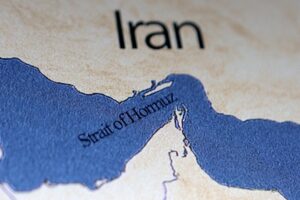
The intensifying military confrontation in the Middle East is rapidly feeding through to the wallets of consumers worldwide. Since the commencement of Operation Midnight Hammer and subsequent Iranian retaliatory strikes, the price of crude oil and natural gas has experienced extreme volatility. Market analysts observe that the disruption to the Strait of Hormuz—the primary artery for 20% of global oil and liquefied natural gas (LNG)—is the central driver of these inflationary pressures.
In the United Kingdom, the immediate impact has been felt most acutely at the fuel pumps. According to recent data from the RAC, the average cost of petrol has risen by nearly 2.5p per litre since the conflict began on Saturday, while diesel has increased by more than 3p. These hikes come at a delicate time for motorists, as the industry also braces for the potential reversal of a 5p-a-litre fuel duty cut.
The crisis is also threatening to derail the UK’s broader economic recovery. The Resolution Foundation, a leading thinktank, warned that the energy price shock could trigger a £500 jump in typical annual household energy bills by June. This spike risks puncturing a “bumper year” for living standards that had been projected for lower-income families. While wages and benefits were set to rise above previous inflation levels, a sustained energy shock could add a full percentage point to national inflation.
Grocery prices are the next major concern for households as shipping and production costs climb. The conflict has forced major energy producers like QatarEnergy and Iraq to halt or significantly reduce production following drone attacks on infrastructure. Furthermore, the closure of the Strait of Hormuz has disrupted the flow of one-third of the world’s most commonly used fertilizers. This disruption is expected to drive up agricultural input costs, eventually leading to higher prices for food items on supermarket shelves.
Global stock markets have reacted to the instability with significant retreats. In London, the FTSE 100 recorded its largest daily fall in 11 months, while Asian markets like South Korea’s Kospi faced even steeper plunges. Investors are increasingly betting that central banks, including the Bank of England and the US Federal Reserve, will be forced to delay or cancel planned interest rate cuts to combat this new wave of supply-side inflation.
The UK Chancellor, Rachel Reeves, has acknowledged the severity of the “economic shock” during her recent spring forecast. While she insisted that the government’s economic plan remains focused on stability, the Office for Budget Responsibility (OBR) cautioned that the conflict could have “very significant” impacts on the national economy. If the war persists, the current forecasts for growth and living standards may become obsolete within weeks.