KEY POINTS
- Los Llanos covers over a quarter of Colombia’s landmass, characterized by tropical grasslands, wetlands, and forests bordered by the Andes and the Amazon.
- The region is home to extraordinary wildlife, including anacondas, piranhas, giant anteaters, capybaras, and the hoatzin—a bird with dinosaur-like wing claws.
- Private nature reserves like El Encanto de Guanapalo use ecotourism revenue to resist selling land to oil interests, preserving native grasses and organic farming.
- The local cantos de vaquería (cattle-work songs) are recognized by UNESCO as Intangible Cultural Heritage, used by cowboys to calm and lead semi-wild herds.
Deep in the heart of eastern Colombia, the River Suárez serves as a dramatic introduction to Los Llanos. Here, the water teems with piranhas, anacondas, and electric eels, while the canopy above is filled with neon-green iguanas and prehistoric-looking hoatzins. This region, often described as the “Serengeti of South America,” is a biodiverse powerhouse where nature appears in such abundance that one can witness giant storks, anteaters, and herds of deer within a single 4×4 safari.
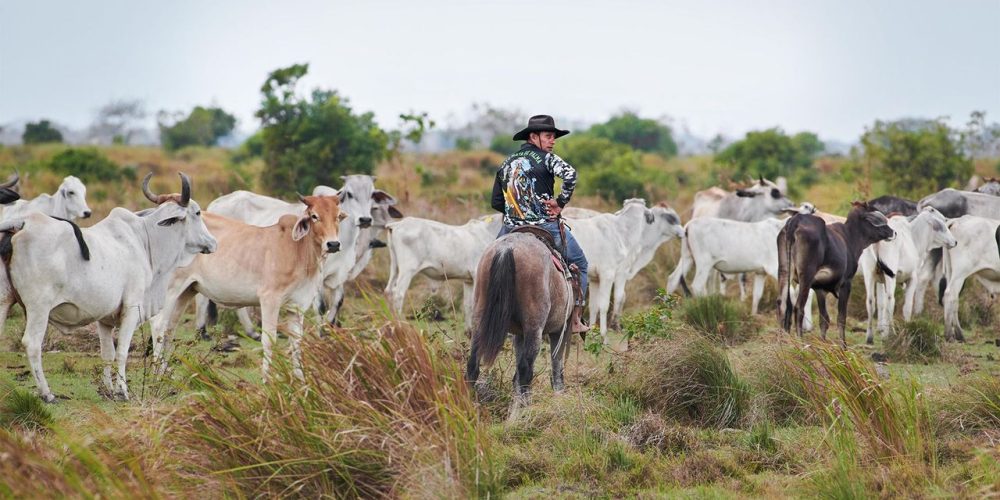
Despite its ecological wealth, Los Llanos receives only a fraction of the tourists who flock to Cartagena or the Caribbean coast. This isolation has allowed a distinct llanero (cowboy) culture to remain authentic and “real.” At the heart of this cultural preservation are private reserves like the 9,000-hectare El Encanto de Guanapalo. Unlike traditional farms that may view wildlife as pests, these working ranches have practiced a century-old philosophy of conservation. Here, capybaras nibble grass alongside cattle, and caimans bask undisturbed by passing horses, illustrating a rare harmony between agricultural work and wildlife protection.
The economic model of these ranches is a testament to the power of sustainable travel. By hosting visitors, families like the Vargases can resist the financial pressure to sell their land to oil companies or industrial monocultures. This income allows the community to maintain native ecosystems and organic farming practices while providing jobs for local men as guides and women as hosts and cooks. For the traveler, this means an immersive experience that isn’t a staged performance; visitors wake up to the true Los Llanos life, participating in sunrise cattle round-ups and drinking chocolate santafereño with the herders.
Music is the soul of this landscape. The cantos de vaquería, centuries-old a cappella songs, are used by the llaneros to communicate with and calm their aggressive, semi-wild cattle. These songs are so integral to the region’s identity that they are protected by UNESCO. The work day often concludes with joropo, a lively musical style featuring harps and cuatro guitars, with rhythms designed to mimic the gallop of a horse. This musical tradition serves as a “collective memory,” passing down stories of the plains from one generation to the next.
As Los Llanos faces modern threats from industrialization, these pockets of sustainable tourism provide a blueprint for the future. By valuing the land’s natural beauty and cultural heritage over short-term industrial gain, the people of the plains are ensuring that their “lost world” remains a sanctuary for both the wildlife that inhabits it and the proud horsemen who call it home.