KEY POINTS
- Alaskan students frequently attend outdoor recess even when temperatures plummet well below zero, with schools often only moving indoors if the wind chill hits -20°F.
- Proper winter gear, including specialized parkas, insulated boots, and heavy-duty gloves, is a mandatory part of the daily curriculum for students in the region.
- Outdoor physical activity during the long winter months is considered essential for the mental health and well-being of Alaskan children.
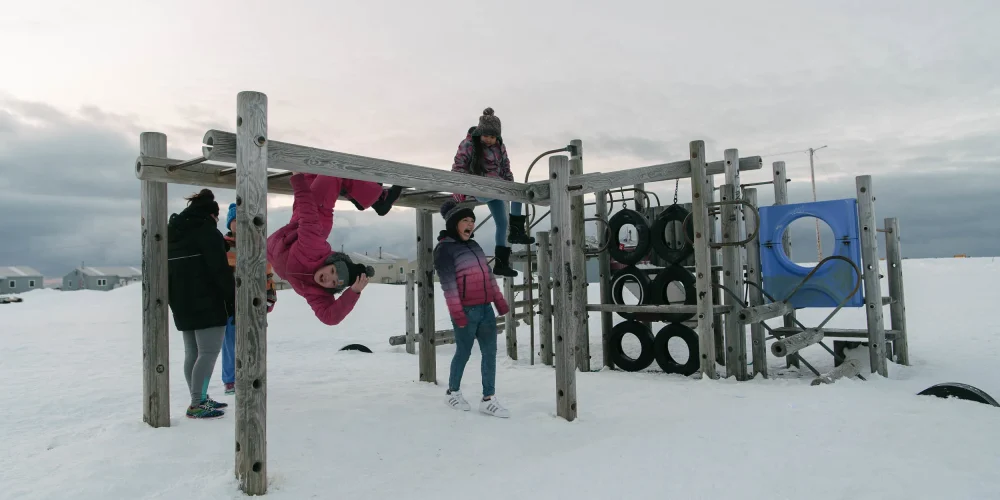
In the Lower 48, a light dusting of snow or a dip below freezing might be enough to keep children inside for recess. However, in Alaska, the standards for “outdoor weather” are significantly more robust. Across the state, children are often seen playing in conditions that would be considered extreme elsewhere. Many Alaskan school districts maintain a policy that outdoor recess continues unless the temperature or wind chill reaches a bone-chilling -20°F (-29°C). This level of resilience is a cornerstone of Alaskan childhood, fostering a sense of grit and adaptability from an early age.
The key to surviving and enjoying these conditions lies in the gear. For an Alaskan student, getting ready for recess is a technical operation. Schools require a full kit of “snow gear,” which typically includes insulated snow pants, high-rated parkas, moisture-wicking layers, and boots designed for sub-zero temperatures. Teachers often spend a significant portion of the morning helping younger students zip up and layer properly, ensuring that no skin is left exposed to the biting Arctic winds. This daily ritual is as much a part of the educational experience as reading or math, teaching children the practicalities of living in one of the world’s most demanding environments.
The benefits of outdoor play in such harsh conditions extend beyond simple physical exercise. Alaska faces long, dark winters with limited daylight hours. For many children, the 20 to 30 minutes spent outside during recess are their only exposure to natural light and fresh air during the school day. This is vital for maintaining healthy Vitamin D levels and combatting Seasonal Affective Disorder (SAD), which can impact even the youngest residents. The sheer joy of sliding down frozen snowbanks or building snow forts in the twilight hours provides a crucial mental health boost that indoor activities simply cannot replicate.
Moreover, these conditions create a unique social environment. Alaskan playgrounds in winter are vibrant landscapes of creativity. Students learn to navigate ice patches, build complex structures out of packed snow, and play games that are uniquely adapted to the frozen terrain. This interaction with nature—even at its most hostile—builds a deep respect for the environment and a level of self-reliance that lasts a lifetime. Parents and educators in the region emphasize that “there is no such thing as bad weather, only bad clothing,” a philosophy that encourages children to see the outdoors as a year-round playground rather than an obstacle.
While safety is always the primary concern, the threshold for staying indoors is high. Schools monitor wind chill and local weather advisories in real-time. If the conditions become truly dangerous, indoor recess typically involves structured movement in the gymnasium to ensure that children still get the activity they need. However, the preference is almost always for the outdoors. The sight of dozens of bundled-up children running across a frozen field is a testament to the enduring spirit of the Alaskan people and their commitment to raising children who are as tough as the landscape they inhabit.
Ultimately, the “harsh” winter conditions of Alaska are simply the backdrop for a normal, active childhood. By refusing to let the cold stop them, these students demonstrate a level of fortitude that is inspiring to observers around the world. Recess in Alaska is more than just a break from class; it is a daily lesson in resilience, preparation, and the importance of embracing the world exactly as it is—no matter how many layers of fleece it takes.