KEY POINTS
- Severe thunderstorms are expected to produce damaging wind gusts, large hail, and isolated tornadoes across the Plains and into the Midwest.
- Persistent heavy rainfall may lead to localized flooding, particularly in areas with saturated soil or poor drainage in the Ohio Valley.
- The weather pattern is shifting toward a more active spring-like setup, increasing the frequency of atmospheric instability throughout the central region.
Meteorologists at AccuWeather are tracking a developing weather system that is poised to bring a variety of hazards to the American heartland. After a period of relatively calm conditions, a surge of atmospheric energy is moving eastward from the Rocky Mountains. As this system interacts with humid air flowing northward, the risk for severe thunderstorms is expected to ramp up significantly. The primary concern for many communities will be the potential for destructive winds that could down power lines and trees.
The threat begins in the central and southern Plains, where the clash of air masses will be most intense. Residents in states like Oklahoma, Kansas, and Missouri should stay alert for weather warnings, as these storms can develop quickly during the afternoon and evening hours. Beyond the wind threat, the atmosphere will be primed for the development of large hail, which can cause extensive damage to vehicles and agricultural crops. While the tornado risk is currently isolated, the overall setup suggests that rotating storms are a distinct possibility.
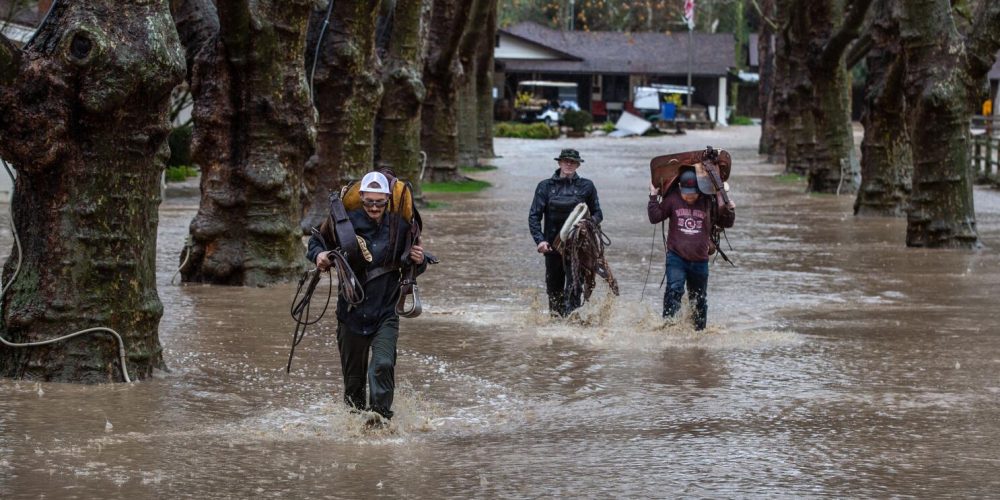
As the storm system tracks toward the northeast, the focus will shift toward the Ohio Valley, where rainfall totals are expected to climb. Forecasters are particularly concerned about the potential for training storms—a phenomenon where multiple storms move over the same area in a short period. This repetitive drenching can quickly overwhelm small streams and urban drainage systems, leading to sudden flash flooding. For regions that have already seen a wet start to the year, the added moisture could also increase the risk of river flooding later in the week.
The timing of this outbreak coincides with the transition into the peak of the severe weather season. Atmospheric conditions are becoming increasingly favorable for large-scale systems that can span multiple states. Travel disruptions are likely at major airport hubs within the affected zones, and motorists are cautioned to avoid driving through flooded roadways. Visibility during these downpours can drop to near zero, making highway travel extremely hazardous during the height of the activity.
Emergency management officials recommend that households review their safety plans and ensure they have multiple ways to receive weather alerts. This includes having a dedicated weather radio or a reliable smartphone app that can provide real-time updates even if power is lost. Because many of these storms may persist after dark, having a plan for a safe shelter is critical for those living in mobile homes or areas prone to falling trees.
While the exact path of the most intense cells can shift, the broad consensus among weather models points to a high-impact event for millions of Americans. The active pattern is likely to remain in place for several days, keeping the risk of renewed storm development high through the end of the week. Monitoring local forecasts will be essential as the situation evolves and specific watches and warnings are issued for high-risk counties.