KEY POINTS
- Hackers infiltrated prominent Iranian platforms, including news sites and a religious calendar app with 5 million users.
- The cyber operations coincided with a significant military offensive targeting Iranian missile sites and naval assets.
- Internet connectivity across Iran plummeted to near-total blackout levels as the digital and kinetic conflict intensified
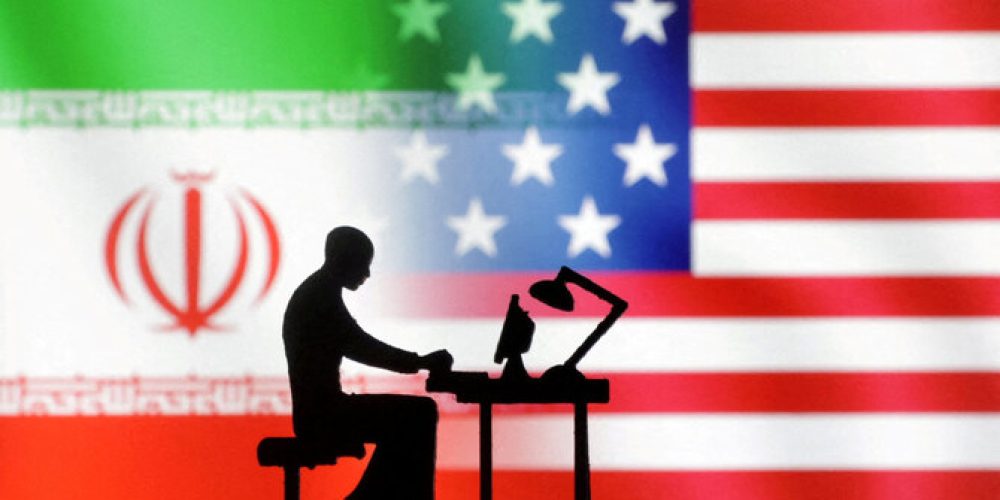
A wave of sophisticated cyberattacks struck Iranian digital infrastructure early Saturday morning. These digital operations occurred simultaneously with a joint military offensive by the United States and Israel. Multiple Iranian news websites were defaced to display subversive messages against the national leadership. The coordinated digital strike aimed to disrupt communications and limit the state’s ability to coordinate a military response.
One of the most significant breaches targeted the widely used religious calendar app BadeSaba. The application has more than five million downloads on the Google Play Store within the country. Users reportedly received a series of urgent push notifications written in Farsi throughout the morning. These messages urged military personnel to surrender their weapons and join the general population.
Cybersecurity experts noted that the timing of the messages coincided with reports of explosions in major cities. Notifications began arriving shortly before 10:00 a.m. Tehran time with phrases like Help Has Arrived. Other alerts promised amnesty to those who refused to defend the current regime. Analysts believe the hack was a strategic attempt to undermine internal security and morale during the strikes.
National internet connectivity in Iran suffered a precipitous drop as the attacks unfolded. Data from internet monitoring groups showed access falling to just four percent of normal traffic levels. This digital fog left both the public and government officials in a state of near-total communications blackout. Technical experts described the event as potentially the largest cyberattack in history against a sovereign nation.
The cyber front was accompanied by heavy kinetic strikes on strategic military locations across the country. U.S. and Israeli forces targeted ballistic missile sites and naval warships in a significant escalation of regional tensions. These strikes followed the confirmed death of Supreme Leader Ayatollah Ali Khamenei in a previous operation. The joint campaign appears aimed at toppling the current political structure and eliminating immediate threats.
In response to the domestic strikes, Iranian-backed groups reportedly launched their own cyber counteroffensive. Security firms detected wiper malware attacks intended to erase data on Israeli industrial and commercial targets. Experts warned that the conflict is rapidly evolving into a multidimensional war involving both state and non-state actors. Pro-Iranian hacktivists have also called for retaliatory strikes against U.S.-affiliated infrastructure throughout the Middle East.
Diplomatic observers expressed deep concern over the unprecedented nature of the combined physical and digital assault. The use of civilian-facing apps to broadcast political messages represents a new frontier in psychological warfare. While no group has officially claimed responsibility for the hacks, the complexity suggests state-level resources.
As the situation develops, internet services in Iran remain highly unstable and restricted. The international community is closely monitoring the risk of further spillover into neighboring Gulf states. Regional volatility has already impacted global stock markets and crude oil prices as risk appetite fades. Both the United States and Israel have declared states of emergency in anticipation of further Iranian retaliation.