KEY POINTS
- Barcelona’s peak season runs from May to September, offering perfect beach weather but also the largest crowds and highest prices.
- Shoulder seasons (spring and autumn) are increasingly favored by travelers for mild temperatures and a more authentic, local atmosphere.
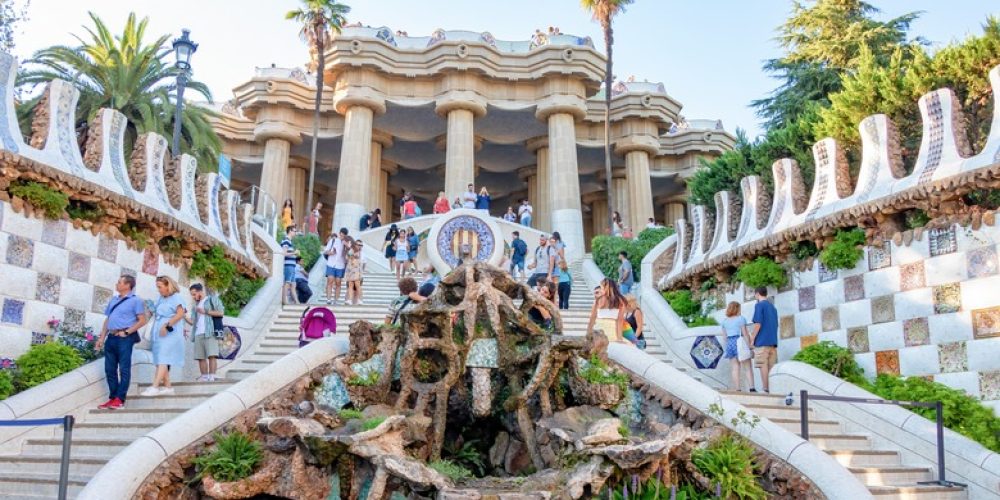
- Winter remains the best time for budget-conscious visitors and those wishing to explore Gaudi’s architecture without the legendary queues.
Choosing the right time to visit the Catalan capital depends heavily on whether you are seeking sun-drenched beaches or the quiet charm of the Gothic Quarter. Barcelona is a year-round destination, but the experience shifts dramatically between the humid heat of August and the crisp, sunny days of January. According to the latest travel insights, the city is moving toward a more balanced tourism model, encouraging visitors to explore beyond the traditional summer rush.
For those prioritizing outdoor living and Mediterranean vibes, May and June are ideal. During these months, the city is in full bloom, and the terrace culture is at its peak. The weather is warm enough for swimming but lacks the sweltering humidity of late summer. This period also coincides with major cultural events like Primavera Sound, making it a hotspot for music lovers. However, travelers should be prepared for higher hotel rates as demand spikes during these prime spring weeks.
The height of summer, July and August, remains the most popular time for international tourists, though many locals flee the city for their own vacations. While the beach at Barceloneta is at its liveliest, the city can feel overcrowded, and popular sites like the Sagrada Família require booking weeks in advance. For a more traditional experience, visiting in late September allows travelers to catch La Mercè, the city’s largest street festival, which features human towers (castellers) and fire runs (correfocs).
Budget travelers and culture seekers find the most value between November and March. While it is too cold for the beach, Barcelona stays relatively sunny during the winter compared to northern Europe. This is the “low season,” where museum lines are non-existent and the cost of luxury accommodation can drop significantly. It is also the season of calçotades (traditional onion feasts), offering a deep dive into Catalan culinary traditions that most summer tourists miss.
Ultimately, the best time to go is influenced by Barcelona’s busy festival calendar. Whether it’s the Sant Jordi book and rose festival in April or the Gràcia neighborhood feasts in August, there is almost always a local celebration to join. By planning around these events and considering the shoulder seasons, visitors can enjoy the perfect blend of pleasant weather and the vibrant, artistic spirit that defines this Mediterranean jewel.