KEY POINTS
- The influential parenting platform Mumsnet is demanding a legal age limit of 16 for all social media access.
- Campaigners highlight the negative impact of addictive algorithms and harmful content on adolescent mental health.
- The initiative urges the UK government to introduce strict age-verification laws to protect young people online.
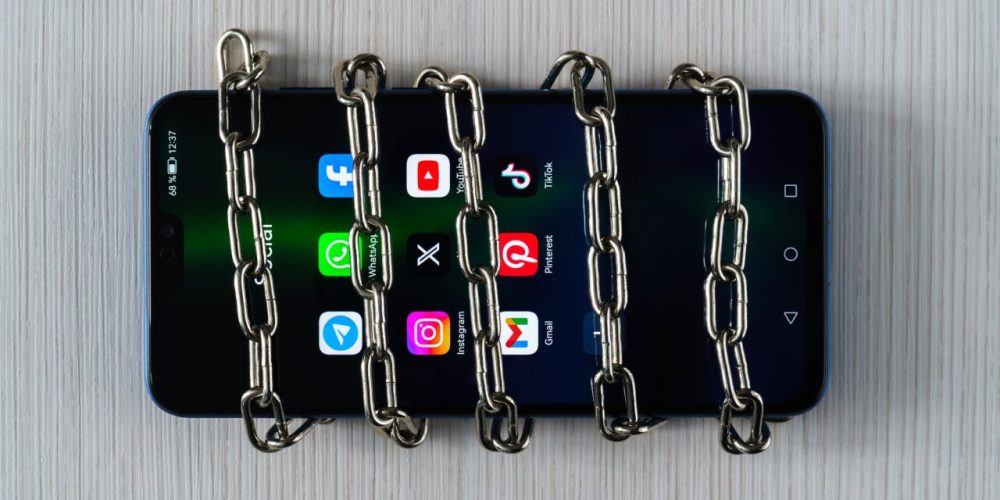
The popular parenting forum Mumsnet has officially launched a major campaign to ban social media for children under 16. This movement seeks to change current laws that allow younger teenagers to access platforms like Instagram and TikTok. Organizers believe that the current digital environment poses significant risks to the well-being of the next generation. They argue that voluntary age limits set by tech companies are completely ineffective and easily bypassed.
The campaign centers on the growing body of evidence linking social media use to mental health issues. Many parents report that their children experience increased anxiety and depression due to online interactions. Mumsnet founders emphasize that addictive algorithms are designed to keep children engaged for as long as possible. This constant exposure can lead to sleep deprivation and a lack of focus on real-world education.
A primary demand of the initiative is the implementation of mandatory age-verification technology. Campaigners want the UK government to force tech giants to verify the identity of every user. They believe this is the only way to prevent children from lying about their age to join platforms. The group argues that the safety of minors should take priority over the profits of large technology corporations.
Mumsnet is also calling for a total ban on smartphones in schools to complement the social media restrictions. They suggest that a “phone-free” childhood would allow students to develop better social skills. Many teachers and educational experts have expressed support for these measures to reduce cyberbullying. The campaign has quickly gained momentum among thousands of concerned parents across the United Kingdom.
Technology companies have defended their existing safety features and parental control tools. They argue that social media provides vital spaces for young people to express their creativity and find community. Industry leaders suggest that better digital literacy education is a more effective solution than a total ban. However, Mumsnet leaders counter that the platforms are fundamentally unsafe for developing minds.
The UK government is currently under pressure to respond to these growing demands for stricter regulation. Lawmakers are reviewing the effectiveness of the Online Safety Act in light of new technological developments. Some politicians have signaled support for raising the minimum age if current safety measures fail to show results. The debate highlights a deep divide between tech advocates and those seeking to preserve traditional childhood.
Public opinion on the matter remains divided, though support for age limits appears to be rising. Critics of the ban worry that it might isolate vulnerable teenagers from important support networks. Others believe that parents, rather than the state, should decide how their children use technology. Mumsnet continues to lobby for legislative change, citing the urgent need to protect the mental health of teenagers.