KEY POINTS
- The death toll from devastating floods and landslides in Brazil’s southeast has risen to 46, with dozens still missing as rescue operations enter a critical phase.
- Record-breaking rainfall—exceeding 600mm in 24 hours—has triggered massive mudslides, burying homes and cutting off major coastal highways.
- President Luiz Inácio Lula da Silva has visited the affected regions, calling for urgent changes to urban planning to prevent future tragedies in high-risk areas.
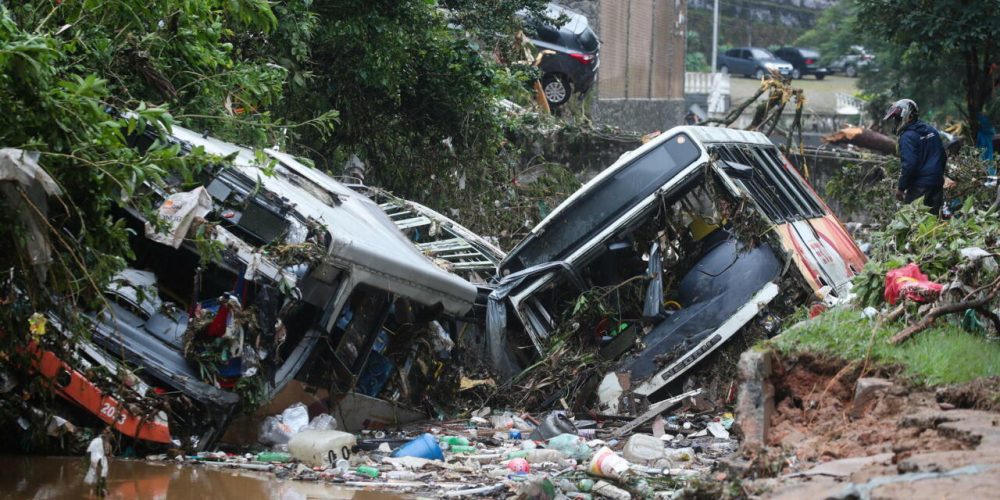
Brazil is grappling with a humanitarian crisis after unprecedented rainfall triggered catastrophic flooding and landslides across the northern coast of São Paulo state. Official reports confirmed on Thursday that at least 46 people have lost their lives, a number expected to rise as emergency teams navigate thick mud and debris in search of more than 30 individuals still unaccounted for. The hardest-hit area, São Sebastião, saw over 600mm of rain in a single day—the highest accumulation ever recorded in the country’s history.
The disaster struck during the popular Carnival weekend, a time when the coastal region is typically flooded with tourists. The extreme weather turned idyllic holiday destinations into zones of destruction, with hillsides collapsing onto residential neighborhoods and luxury resorts alike. Thousands have been displaced, and many are currently taking refuge in temporary shelters as their homes have been declared structurally unsound or completely destroyed.
Rescue efforts are being hampered by severely damaged infrastructure. Several major highways, including the link between Rio de Janeiro and Santos, remain blocked by fallen trees and boulders, making it difficult for heavy machinery and relief supplies to reach isolated communities. The Brazilian military has deployed helicopters and specialized search-and-rescue teams to airlift survivors and transport much-needed food, water, and medical supplies to the most remote areas.
President Luiz Inácio Lula da Silva toured the disaster zone earlier this week, emphasizing that the scale of the tragedy highlights a desperate need for improved urban housing policies. He noted that many of the deaths occurred in informal settlements built on steep slopes, where residents have few options but to live in high-risk zones. The President has promised federal aid for reconstruction, but he stressed that simply rebuilding is not enough; the focus must shift to relocating vulnerable populations to safer grounds.
Meteorologists attribute the intensity of the storm to a combination of a low-pressure system and the effects of climate change, which are making extreme weather events more frequent and severe in South America. As the search for survivors continues, local authorities are also on high alert for outbreaks of waterborne diseases in the flooded areas.
The recovery process for the region is expected to take months, if not years. Beyond the immediate loss of life, the economic impact on the local tourism industry—a vital source of income for the coastal towns—will be profound. For now, the focus remains on the “golden hour” of rescue, as families wait for news of loved ones still buried beneath the mud.