KEY POINTS
- Nvidia chief Jensen Huang signaled a shift toward more aggressive product cycles to maintain a lead in the AI hardware sector.
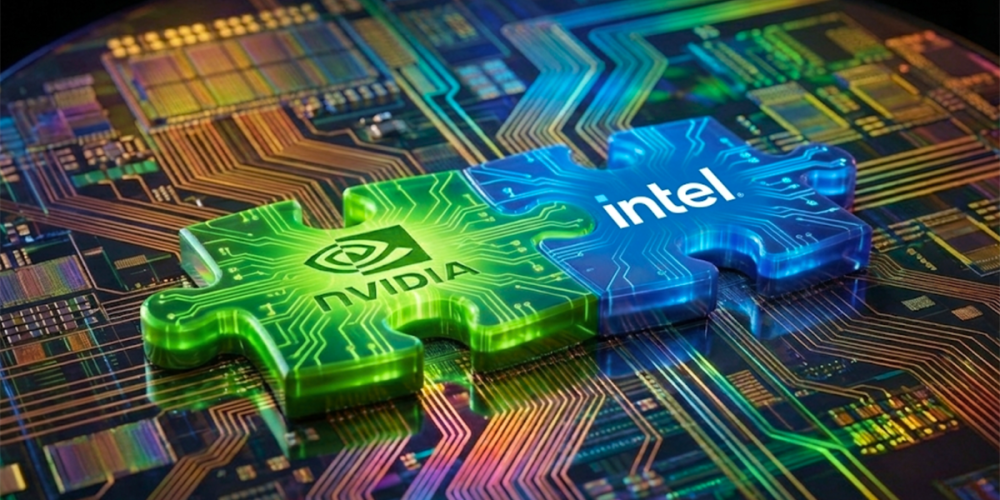
- The company faces growing pressure as rivals Intel and AMD prepare to launch new competitive processor architectures.
- Investors remain focused on Nvidia’s ability to sustain high margins amid increasing production costs and global supply constraints.
Nvidia Chief Executive Jensen Huang is preparing his company for a more competitive landscape in the semiconductor industry. During a recent briefing, Huang outlined plans to accelerate the development of artificial intelligence chips. This move comes as traditional rivals Intel and AMD ramp up their efforts to capture a larger share of the lucrative AI market. The semiconductor giant aims to maintain its dominant position by shortening the gap between major product releases.
The CEO addressed investors regarding the rapid evolution of generative AI technologies. He emphasized that the demand for high-performance computing shows no signs of slowing down. To stay ahead, Nvidia intends to transition from a two-year release cycle to a more frequent annual cadence. This strategy is designed to prevent competitors from narrowing the performance gap that currently exists.
Intel and AMD have both announced significant investments in their own AI-capable silicon. These companies are targeting the high-end data center market where Nvidia currently holds a near-monopoly. Industry analysts expect the competition to intensify throughout 2026 as new hardware reaches the market. Huang acknowledged that the industry is entering a new phase of innovation where multiple players will vie for enterprise contracts.
Financial performance remains a top priority for Nvidia as it navigates this renewed rivalry. The company has seen record-breaking revenues over the past several quarters. However, maintaining these growth rates requires constant technological breakthroughs. Investors are closely monitoring how Nvidia handles rising manufacturing expenses and the complexities of global supply chains.
The shift in strategy also involves a heavier focus on software ecosystems. Huang noted that hardware alone is no longer enough to win the market. Nvidia’s proprietary software platform remains a major barrier for competitors. By integrating advanced software with its latest chips, the company hopes to keep customers locked into its ecosystem.
Regulatory challenges continue to loom over the global chip industry. Trade restrictions and international policy shifts could impact how Nvidia distributes its products. Huang indicated that the company is working to diversify its manufacturing partners to mitigate these risks. This approach is intended to ensure a steady supply of chips despite geopolitical tensions.
The upcoming battle with Intel and AMD will likely define the next era of computing. Each company is betting billions of dollars on the future of autonomous systems and large language models. Nvidia’s proactive stance suggests it is not taking its current market lead for granted. The company remains focused on pushing the boundaries of what specialized processors can achieve.
As the year progresses, the tech world will be watching for the first benchmarks of these new competing chips. The outcome of this rivalry will influence the price and availability of AI services globally. Huang remains confident that Nvidia’s culture of rapid innovation will continue to deliver value to shareholders.