KEY POINTS
- An innocent Asian man was arrested for a burglary committed 100 miles from his current location.
- A facial recognition algorithm incorrectly matched the suspect’s image with the victim’s social media profile.
- The incident has reignited serious concerns regarding racial bias and accuracy in law enforcement technology.
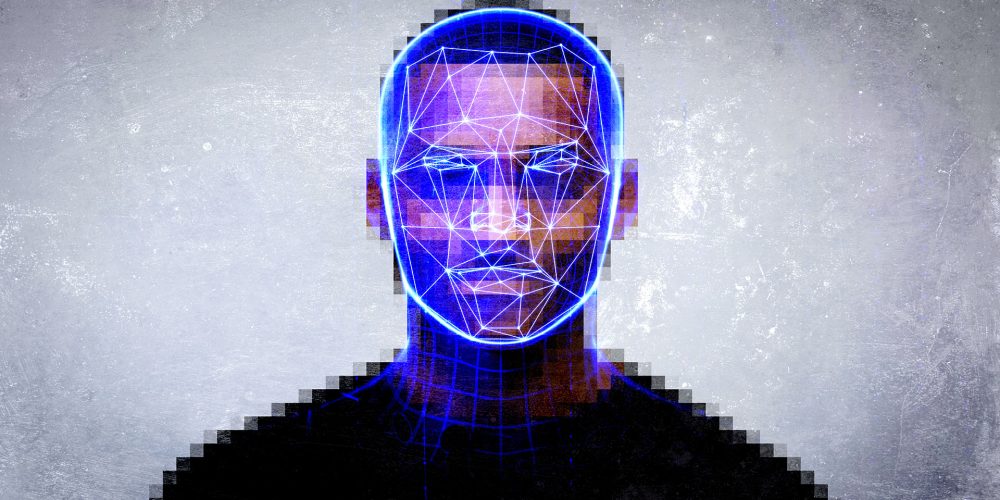
Police in the United Kingdom face intense scrutiny after a facial recognition error led to a wrongful arrest. Officers detained a 32-year-old Asian man at his home in London for a burglary in Birmingham. The crime occurred nearly 100 miles away from where the suspect resided and worked. The man spent 14 hours in custody before authorities realized the mistake and released him.
The investigation began when a retail store provided CCTV footage of a theft to the local police. Investigators used an automated facial recognition system to analyze the blurry images of the unidentified suspect. The software produced a match with a person of the same ethnicity from a national database. Officers then secured an arrest warrant based almost entirely on this digital identification.
During the police interview, the man provided evidence that he was at work during the time of the crime. His employer confirmed his presence in the London office through digital keycard logs and witness statements. Despite this alibi, the man remained in a cell while detectives verified his story with Birmingham officials. The police eventually admitted that the facial recognition match was a false positive.
This high-profile error occurred amidst a significant push for more AI in modern policing. UK police leaders have recently advocated for a wider rollout of automated surveillance technology. They argue that these tools can help solve crimes and find missing persons more efficiently. However, civil rights organizations have consistently warned about the dangers of such a rapid deployment.
Studies show that facial recognition algorithms often struggle to identify people of color accurately. These systems can have significantly higher error rates for individuals of Asian and African descent. Critics argue that relying on this technology leads to the unfair targeting of minority communities. They believe that human oversight is not enough to catch every machine-made mistake.
The man who was wrongfully arrested has now filed a formal complaint against the police service. He is seeking compensation for his distress and the loss of his clean criminal record. Legal experts suggest that this case could have a major impact on future policing policies. It highlights the urgent need for stricter regulations on the use of AI tools in criminal investigations.
Police officials released a short statement expressing their regret for the incident and the confusion. They confirmed that a review of their facial recognition protocols is currently underway. However, they did not indicate that the use of such technology would be suspended during the investigation. The official position remains that the software is a vital tool for public safety.
The incident is likely to be discussed in Parliament during upcoming debates on AI and surveillance. Lawmakers are facing pressure to implement mandatory safeguards and independent audits of law enforcement algorithms. The goal is to ensure that technology does not undermine the fundamental rights of innocent citizens. For now, the debate over the future of facial recognition remains highly contentious.