KEY POINTS
- Torrential downpours linked to the El Niño Costero phenomenon have devastated the regions of Ica and Arequipa, damaging approximately 5,500 homes.
- A tragic military helicopter crash during a rescue mission claimed 15 lives, including seven children, adding to the growing death toll from the floods.
- The Peruvian government has declared a state of emergency for over 700 districts across the nation as flash floods continue to bury vehicles and destroy infrastructure.
Southern Peru is currently facing a humanitarian crisis as relentless rainfall triggers a series of deadly mudslides and flash floods. The regions of Ica and Arequipa have borne the brunt of the weather system, which has displaced thousands and left a trail of destruction in its wake. Local authorities confirmed the recovery of several victims, including a father and son who were swept away by a sudden landslide. The scale of the disaster has forced the national government to take drastic measures, with emergency status now active in hundreds of districts throughout the country.
The situation turned even more somber following a major aviation tragedy linked to the disaster response. A military helicopter, which was deployed to provide essential rescue services and aid to stranded residents, crashed in the Chala district. Officials reported that all 15 people on board perished in the accident. Among the victims were 11 passengers, including seven children, and four crew members. The wreckage was discovered by rescue teams after the aircraft went missing during a flight through the storm-ravaged terrain, marking a devastating blow to the ongoing relief efforts.
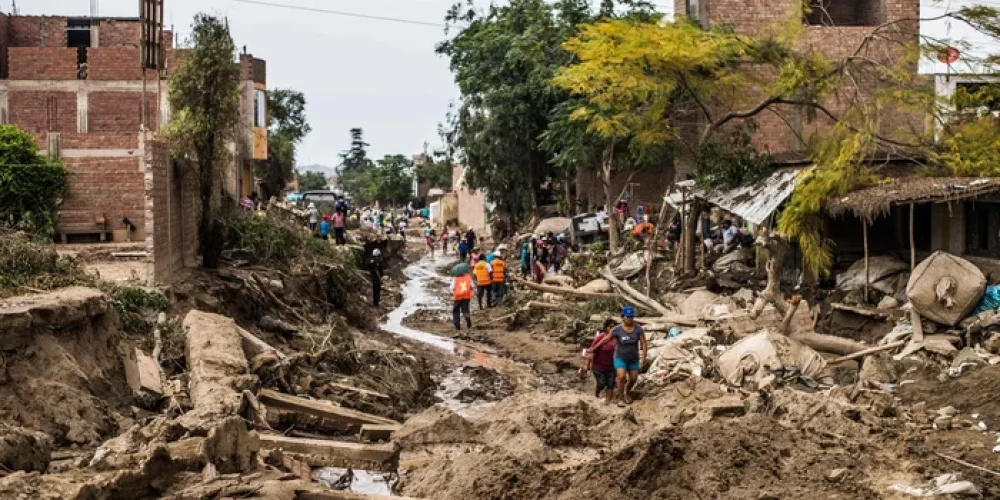
Physical damage to the region’s infrastructure is extensive and visible across major urban and rural areas. In the district of Cayma, powerful flash floods transformed streets into rivers of sludge, burying vehicles and leaving homes on the edge of structural collapse. National media outlets have broadcasted images of heavy machinery attempting to clear massive amounts of debris from primary roadways, while many residents have been forced to evacuate to temporary shelters. Current estimates suggest that over 5,000 households have seen their properties damaged or completely destroyed by the water and mud.
Meteorologists attribute the extreme weather to El Niño Costero, a climate phenomenon characterized by the unusual warming of coastal waters. This event significantly increases the moisture in the atmosphere, leading to the intense precipitation currently battering the Andes and the southern coast. Experts warn that the system is expected to strengthen in the coming month, raising fears that the worst of the flooding may still be ahead. There is a growing consensus among scientists that while El Niño is a natural cycle, its intensity is being amplified by rising global temperatures, which create a warmer baseline for these catastrophic events.
The Peruvian Council of Ministers has responded by prioritizing the mobilization of resources to the hardest-hit zones. Regional governors in southern Peru have made urgent pleas to the interim presidency for additional financial support and military intervention to assist with evacuations and the delivery of food and medicine. With roads blocked and communication lines down in several remote provinces, reaching isolated communities remains a primary challenge for emergency teams.
As the rain continues to fall, the focus remains on preventing further loss of life. Rescue workers are prioritizing the stabilization of hillsides and the relocation of families living in high-risk areas. The national weather service continues to issue red alerts for several southern basins, advising citizens to avoid riverbanks and stay informed through official channels. For a country already grappling with political and economic challenges, the current climate emergency represents a significant test of national resilience and disaster preparedness.