KEY POINTS
- India and Canada have officially resumed talks for an Early Progress Trade Agreement (EPTA) during a high-level visit from Canadian Special Envoy Mark Carney.
- The negotiations signal a potential cooling of diplomatic tensions that have frozen major bilateral economic initiatives for over a year.
- Discussions focus on securing market access for critical sectors, including Canadian pulses and potash, and Indian textiles and technology services.
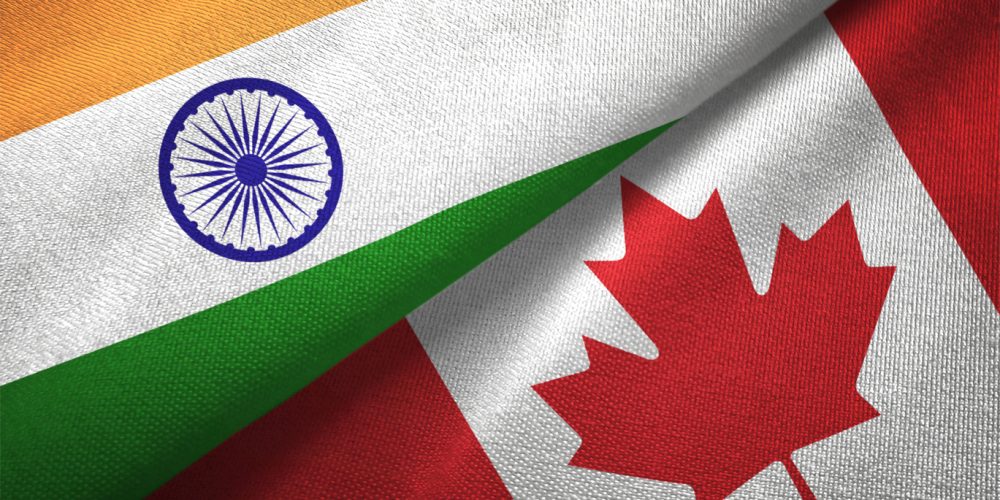
The frozen economic relationship between India and Canada appears to be entering a significant thaw as both nations have agreed to restart negotiations for a free trade deal. The announcement came during a pivotal visit to New Delhi by Canada’s Special Envoy, Mark Carney. Indian Commerce Minister Piyush Goyal confirmed that the two major economies are once again pursuing an Early Progress Trade Agreement, a strategic move intended to lock in immediate commercial gains while working toward a more comprehensive partnership.
This resumption of talks marks a major shift in the geopolitical landscape. Bilateral relations hit a historic low in late 2023, leading to the suspension of previous trade missions and a significant reduction in diplomatic staffing. However, the current initiative suggests that both governments are now prioritizing economic pragmatism over political friction. By focusing on an interim “early progress” deal, negotiators hope to bypass more complex disputes and deliver tangible benefits to businesses in both countries.
The stakes for these negotiations are high, particularly regarding food security and industrial resources. Canada is a primary supplier of pulses, such as lentils, and potash, a vital component for India’s massive agricultural sector. Securing a stable, lower-tariff supply chain for these commodities is a top priority for the Indian government to manage domestic food inflation. In return, Canadian officials are seeking easier market access for their automotive parts, wine, and professional services sectors.
For India, the deal offers a crucial gateway to the North American market for its labor-intensive industries. Indian exporters in the textiles, leather, and jewelry sectors are eager for reduced duties to compete more effectively. Additionally, India is pushing for smoother movement for its IT professionals and students, who represent a significant portion of the economic and cultural exchange between the two nations. The service sector remains a pillar of Indian economic growth, and a deal with Canada could set a precedent for future agreements with other Western powers.
Minister Goyal emphasized that the talks are being conducted with a spirit of mutual respect and clarity. He noted that while there are still hurdles to overcome, the involvement of high-level envoys like Mark Carney demonstrates a serious commitment from Ottawa to rebuild the bridge to New Delhi. The discussions are not just about lowering tariffs but also about aligning standards on investment protection and digital trade.
The global business community is viewing this development as a sign of India’s growing importance in the global supply chain. As Western nations look to “de-risk” their economies by diversifying trade partners, India has emerged as an indispensable ally. For Canada, a trade agreement with India provides a necessary counterbalance to its traditional trade dependencies and opens doors to one of the world’s fastest-growing consumer markets.
While a final signature may still be months away, the act of returning to the table is a victory for diplomacy. If successful, the EPTA could serve as a blueprint for how major democracies can manage political disagreements while maintaining robust economic ties. Both sides have expressed hope that this renewed engagement will lead to a more stable and prosperous future for their respective citizens.