KEY POINTS
- NASA sets March 6 as the target launch date for the Artemis II mission.
- The decision follows the successful completion of a critical heat shield safety test.
- Four astronauts will fly around the moon for the first time in over fifty years.
NASA officials have officially cleared the Artemis II mission for a launch on March 6. This announcement follows a series of rigorous safety reviews and technical evaluations. The mission will send four astronauts on a ten-day journey around the moon. This flight marks the first time humans have traveled to the lunar vicinity since 1972.
Engineers recently completed a vital test on the Orion spacecraft’s thermal protection system. The heat shield had previously shown unexpected charring during the uncrewed Artemis I flight. NASA spent months investigating the root cause of the material loss. Recent data confirms the shield is safe for a crewed orbital trajectory.
The crew includes three American astronauts and one representative from the Canadian Space Agency. Commander Reid Wiseman will lead the group alongside Victor Glover and Christina Koch. Jeremy Hansen will join them as the first non-American to leave low-Earth orbit. These individuals have undergone years of specialized training for this specific flight profile.
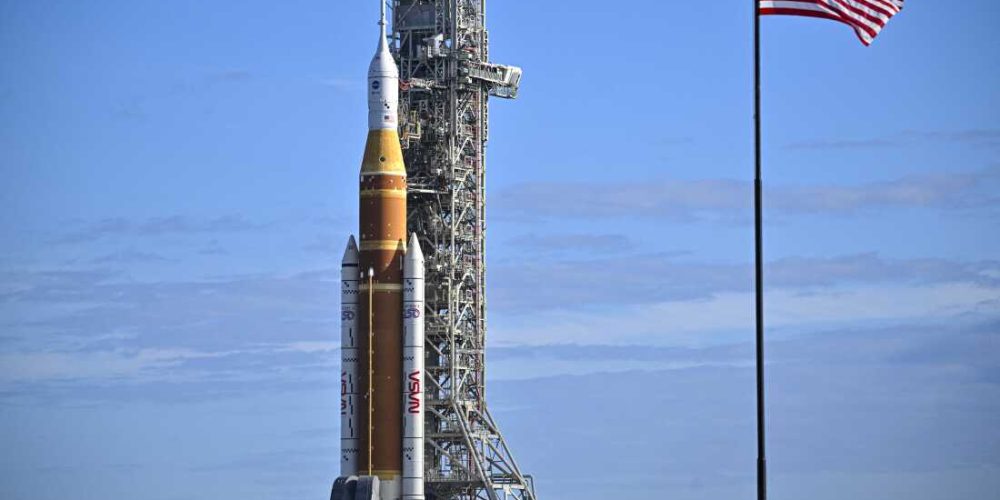
The mission will utilize the Space Launch System rocket for its initial ascent. This massive vehicle will lift the Orion capsule into a high Earth orbit first. The crew will then perform a series of manual maneuvers to test spacecraft systems. If all checks pass, the rocket’s upper stage will push them toward the moon.
The astronauts will not land on the lunar surface during this specific journey. Instead, they will fly in a figure-eight pattern around the lunar far side. This path uses the moon’s gravity to sling the capsule back toward Earth. The mission aims to validate life-support systems and communication arrays in deep space.
NASA view this mission as a necessary precursor to future lunar landings. Success will pave the way for Artemis III, which plans to put boots on the ground. The agency wants to establish a sustainable human presence on the moon this decade. This strategy involves building a lunar gateway and surface habitats for long-term stays.
The launch will take place from the historic Pad 39B at Kennedy Space Center. Teams are now conducting final integration checks on the mobile launcher and flight hardware. Weather remains a secondary concern, but the March window offers favorable conditions. Public interest in the launch is expected to reach record levels globally.
The Artemis II mission represents a major collaborative effort with international partners. Canada provided essential robotic technology and funding in exchange for their seat. The European Space Agency contributed the service module that powers the Orion capsule. This global alliance highlights the shared ambition of modern lunar exploration.