KEY POINTS
- The Washington Supreme Court unanimously ruled that Amazon can be sued for negligence.
- Justices rejected the argument that suicide automatically breaks the chain of legal responsibility.
- Families allege Amazon’s algorithm bundled the chemical with items to facilitate self-harm.
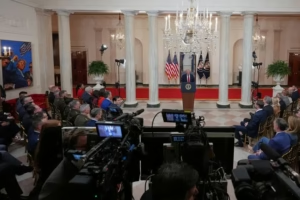
The Washington Supreme Court issued a landmark ruling on Thursday, allowing families to sue Amazon for the sale of high-purity sodium nitrite. This unanimous 9–0 decision overturns a previous appeals court ruling that shielded the retailer from liability. The legal battle centers on claims that Amazon negligently sold a lethal chemical used in multiple suicides.
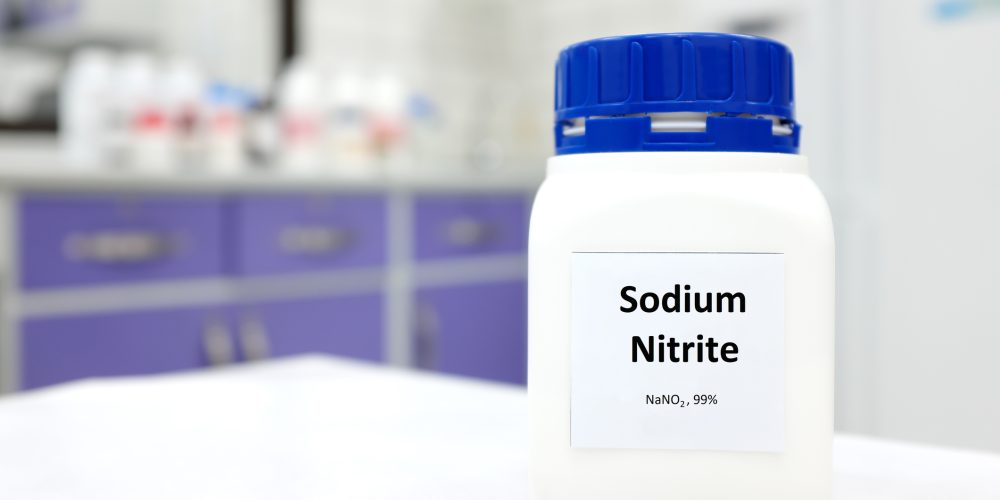
Sodium nitrite is a legal substance typically used for meat curing or in laboratory research. However, the families of four individuals, aged 17 to 27, allege Amazon sold versions with 98% to 99.6% purity. They argue such high concentrations have no legitimate household use and are notoriously known as “suicide drugs.”
The plaintiffs claim Amazon did more than just provide the chemical; they allege the platform’s algorithm actively facilitated tragedy. According to the lawsuits, Amazon’s website recommended “suicide kits” by bundling sodium nitrite with other specific items. These included anti-vomiting medication, small scales, and a handbook providing instructions on how to end one’s life.
Justice G. Helen Whitener, writing for the court, emphasized that retailers owe customers a duty of reasonable care. The court rejected the long-standing legal theory that suicide is always an unpredictable, superseding cause of death. Instead, the justices ruled that a jury must determine if these deaths were a foreseeable result of Amazon’s sales practices.
The ruling addresses a massive maintenance of accountability for online marketplaces. For years, Amazon has successfully argued that it cannot be held responsible for how customers misuse legal products. This decision marks a significant shift in how Washington state law interprets the responsibility of major e-commerce platforms.
Amazon expressed its condolences to the families but disagreed with the court’s decision. The company stated that the product was never intended for direct consumption and was subject to misuse. Despite its defense, Amazon has already altered its policies regarding the substance.
In late 2022, Amazon restricted high-concentration sales to verified business accounts only. By November 2025, the company officially banned all sodium nitrite sales with purity levels exceeding 10%. These changes followed years of warnings from grieving parents and regulatory agencies.
The case now returns to a lower court for further litigation and a potential trial. This decision may influence similar lawsuits currently pending in federal courts and other states. Families of 28 individuals across the country are seeking damages under similar product liability claims.