KEY POINTS
- Scientists developed a 5D memory crystal capable of storing 360 terabytes of data.
- The quartz glass medium survives extreme temperatures and remains stable for billions of years.
- This technology offers a permanent solution to the global digital data preservation crisis.
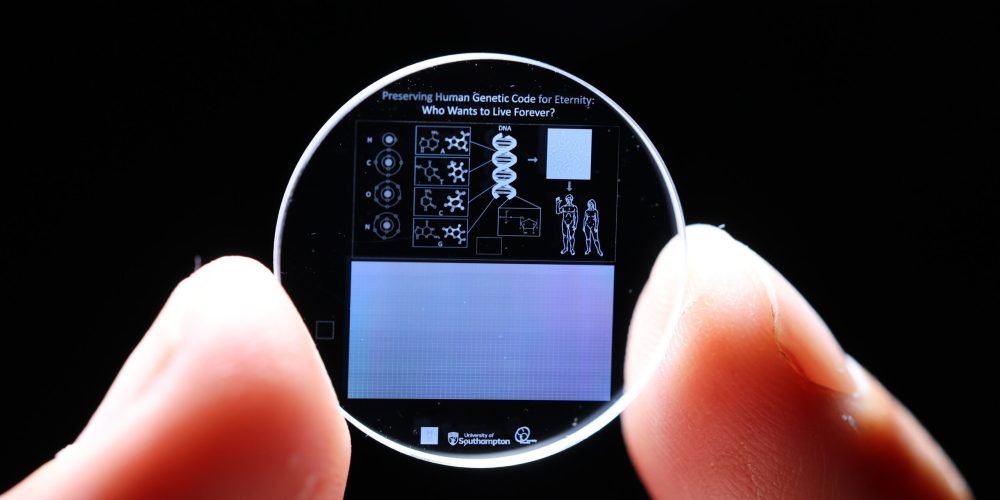
Researchers have achieved a massive breakthrough in long-term information storage. They created a method to etch data into quartz glass using ultra-fast lasers. This 5D memory crystal can hold massive amounts of information for billions of years. It outlasts current digital storage formats like hard drives or magnetic tapes.
Modern digital storage media typically degrade within a few decades. Hard drives and flash memory eventually lose their data due to physical wear. This creates a risk of losing cultural and scientific history over time. Quartz glass offers a much more durable alternative for preserving human knowledge.
The technology uses short laser pulses to create tiny structures in glass. These nanostructures change how light travels through the material. Scientists measure the orientation and size of these structures to read the data. This process adds two extra dimensions to traditional optical storage methods.
Each small glass disc can hold up to 360 terabytes of information. The material survives intense heat up to 1,000 degrees Celsius. It also remains unaffected by cosmic radiation or physical pressure. At room temperature, the data stays intact virtually forever.
This innovation addresses the growing problem of the global data footprint. Organizations currently spend billions of dollars to migrate data between old systems. Quartz storage eliminates the need for frequent hardware updates or energy-intensive cooling. It provides a passive and permanent way to safeguard sensitive records.
The team has already archived significant human documents on these crystals. This includes the Universal Declaration of Human Rights and the Magna Carta. They also stored the King James Bible and Newton’s Opticks on the glass. These copies will remain readable long after the original paper versions vanish.
The production of these crystals is becoming more efficient and cost-effective. Early versions took a long time to write using laboratory lasers. New techniques allow for faster data encoding without damaging the quartz structure. This makes the technology more viable for large-scale institutional use.
Libraries and national archives are showing strong interest in the project. They seek ways to protect vital records from natural disasters or technological failure. Quartz glass provides a stable medium that does not require power to maintain. Future civilizations could potentially access this data with basic optical equipment.
The researchers believe this is the ultimate solution for data longevity. It bridges the gap between ancient stone carvings and modern digital speed. While technology continues to evolve, the glass remains a constant. This discovery ensures that our digital legacy survives the test of time.