KEY POINTS
- Powerful wind gusts reaching up to 71 mph have ignited a series of fast-moving wildfires across Oklahoma, Texas, and Kansas.
- Low visibility caused by blowing dust led to a massive 30-vehicle pileup in Colorado, resulting in at least four fatalities.
- Emergency officials have issued mandatory evacuations for several communities as fire crews struggle to contain the rapidly spreading flames.
Severe weather conditions are currently battering the United States High Plains, creating a life-threatening environment for residents across several states. A combination of intense wind speeds, bone-dry vegetation, and plummeting humidity has transformed the region into a powder keg. National weather experts have designated the current situation as particularly dangerous, warning that any new sparks will likely evolve into uncontrollable infernos within minutes.
In Colorado, the extreme weather turned deadly on Interstate 25. High winds kicked up massive clouds of dust and dirt, plunging the highway into brown-out conditions with near-zero visibility. This environmental hazard triggered a catastrophic chain-reaction crash involving more than 30 vehicles, including six semi-trucks. Local authorities confirmed that at least four individuals lost their lives in the pileup south of Pueblo.
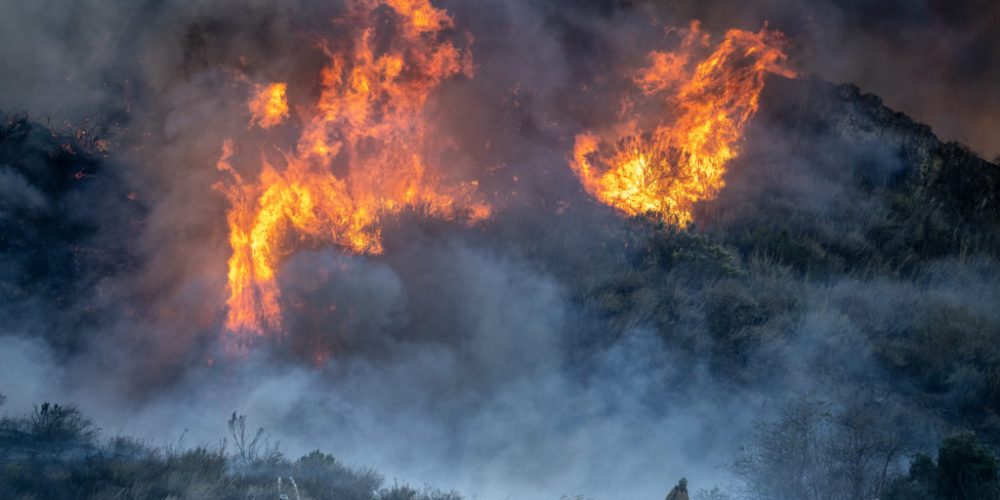
Further south and east, the fire threat has become the primary concern for emergency responders. A massive wildfire originated in Beaver County, Oklahoma, and quickly gained momentum. Within just a few hours, the flames jumped across the state line into southwestern Kansas. The Oklahoma Forestry Service reported that the blaze consumed approximately 15,000 acres in a single afternoon, showing no signs of slowing down as it moved toward populated areas.
The speed of the fire’s progression forced immediate action from local leaders. In Kansas, the communities of Englewood and Ashland received urgent evacuation orders. Residents were told to leave their homes as the fire lines approached their borders. Emergency management teams are working to establish perimeters, but the relentless wind makes traditional containment efforts nearly impossible.
Texas is also facing a significant crisis in its Panhandle region. Officials issued a specific fire warning for a dangerous blaze located near Goodnight, Texas. Although the fire was moving at a relatively slow pace of three to five miles per hour, the shifting winds and dry air remain a major threat. More than 750,000 people across five different states are currently living under Level 3 fire weather conditions, which is the highest possible alert level.
Meteorologists noted that wind gusts have surpassed 70 mph in certain areas, such as Burlington, Colorado. These gusts are not only fueling the fires but also causing structural damage and power outages. High-profile vehicles are at risk of being overturned, and the persistent dust continues to make travel hazardous throughout the region.
The current weather pattern draws haunting comparisons to the 2024 Smokehouse Creek Fire, which remains the largest wildfire in the history of Texas. Officials are concerned that the current conditions mirror the environment that allowed that historic disaster to occur. Humidity levels have dropped as low as 10 percent, providing the perfect fuel for the ongoing blazes.
Forecasters expect these hazardous conditions to persist throughout the evening. While a slight easing of the wind is predicted overnight, another storm system is already moving toward the southern High Plains. This next system could bring a second wave of critical fire danger to New Mexico, Texas, and Oklahoma by the following afternoon.