KEY POINTS
- Researchers found greater muscle strength tied to lower death risk in older females.
- Grip strength and chair-stand performance showed the strongest associations.
- Benefits appeared even among women not meeting aerobic exercise guidelines.
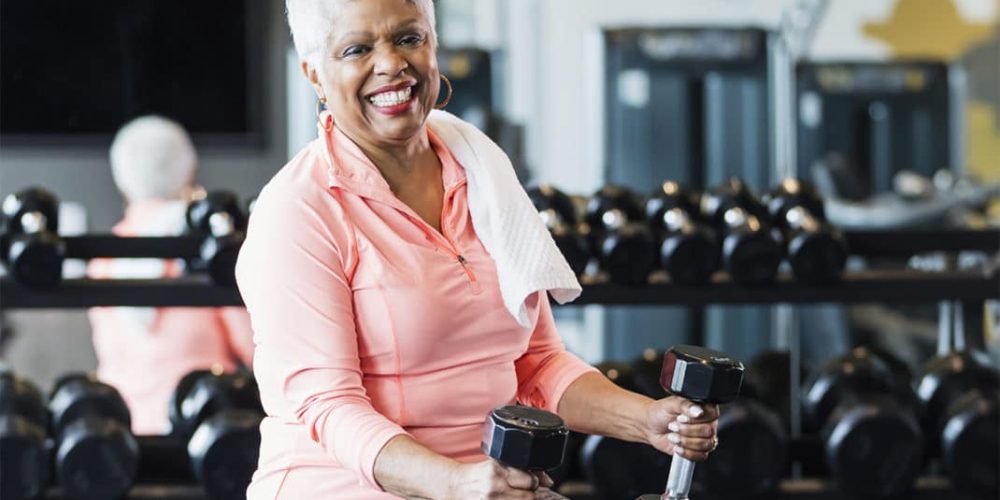
A new study shows that older women with stronger muscles tend to live longer. Researchers examined muscle strength and mortality among women aged 63 to 99. The study followed 5,472 participants for more than eight years to track health outcomes.
Scientists measured strength using grip strength tests and timed chair stands. Grip strength was tested with a hand device that records how hard participants could squeeze. Chair stands measured leg strength by timing how quickly women could rise five times. Participants with stronger grip strength had a significantly lower risk of death.
Women with faster chair-stand times also showed lower mortality during follow-up. The link remained even after adjusting for age, weight and health conditions. Researchers controlled for factors like smoking, alcohol use and education.
Strength remained a strong predictor of longevity across racial and ethnic groups. Importantly, benefits appeared even for women who did not reach recommended aerobic activity levels. The study aligns with existing evidence on muscle health and aging. As people age, they naturally lose muscle mass and strength, a condition known as sarcopenia.
Sarcopenia can reduce balance, mobility and overall health in later life. Maintaining muscle strength may help counteract this age-related decline. Experts recommend activities that improve strength alongside aerobic workouts for healthy aging. The findings highlight muscle strength as a potential marker of long-term health in older adults.
Strength may reflect overall physiological resilience rather than just exercise level. Both grip and leg strength tests are simple to perform in clinical settings. Researchers see value in routine strength measurement for aging populations. The study did not involve interventions but observed long-term outcomes.
Results contribute to a growing body of research on muscle health and longevity. Further research may clarify how strength training affects mortality risk. Understanding strength’s role could inform health recommendations for older adults.