KEY POINTS
- Indonesian and U.S. companies signed more than $7 billion in trade and investment agreements.
- Deals span agricultural purchases, energy cooperation, minerals and semiconductor ventures.
- The pacts were announced ahead of a planned bilateral trade agreement signing between Indonesia and the United States.
Indonesian and American firms have finalized trade and investment agreements exceeding $7 billion, officials announced ahead of a key economic meeting between the two nations.
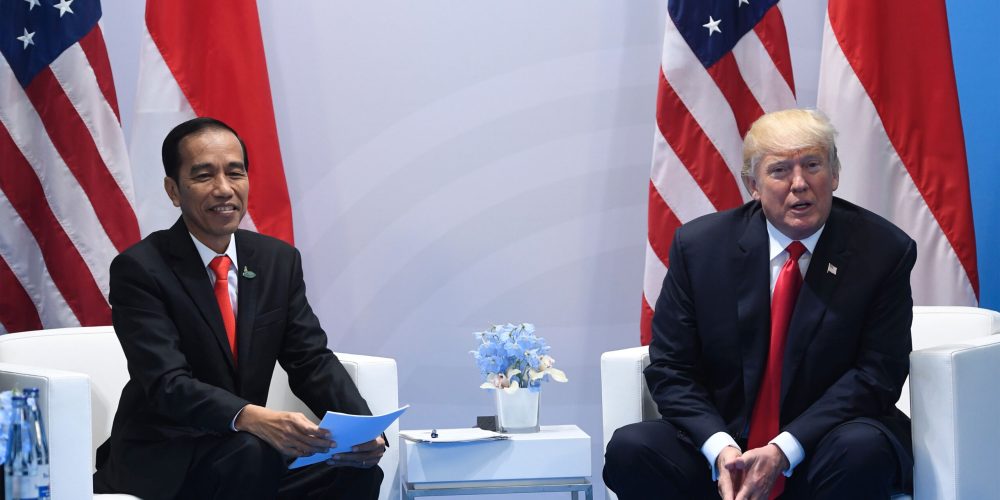
The deals were formalized during a business dinner hosted by the U.S. Chamber of Commerce in Washington, part of Indonesian President Prabowo Subianto’s visit to the U.S. capital. They are intended to lay the groundwork for a broader bilateral trade agreement expected to be signed between President Subianto and U.S. President Donald Trump in the coming days.
Major agricultural commitments feature prominently in the pact, with Indonesian buyers committing to purchase vast quantities of U.S. crops. These include 1 million metric tons of soybeans, 1.6 million metric tons of corn and 93,000 metric tons of cotton under multi-year arrangements. Wheat purchases are set at 1 million tons this year, with an option to expand to as much as 5 million tons by 2030.
Agreements also extend beyond agriculture. A memorandum of understanding between the Indonesian Ministry of Investment and U.S. mining firm Freeport McMoRan focuses on collaboration in critical mineral development. That mineral cooperation is seen as vital to both nations’ ambitions in global technology and manufacturing supply chains.
State-owned oil producer Pertamina and American energy services company Halliburton agreed to partner on oilfield recovery projects in Indonesia. Two semiconductor joint ventures were also announced, including a deal worth about $4.89 billion involving Essence Global Group and another partnership with Tynergy Technology Group.
Indonesian purchases of additional U.S. products were included in the agreements, such as lumber, furniture and recycled clothing, though not all were given specific values in the public fact sheet.
According to the U.S.-ASEAN Business Council, Indonesia has averaged roughly $3 billion a year in agricultural imports from the United States in recent years, making it one of the top markets for U.S. farm goods. The newly signed deals build on that long-standing trade relationship and aim to further balance bilateral commerce.
President Subianto said the agreements are part of implementing broader trade commitments and believes they will help reduce Indonesia’s trade surplus with the United States. His administration has also been negotiating tariff adjustments as part of the forthcoming bilateral trade deal.
Deputy U.S. Trade Representative Rick Switzer spoke at the event, stressing that the reciprocal trade agreement would deepen economic ties, spark more investment and widen two-way commerce.
Analysts say the series of deals reflect broader efforts by both governments and private sectors to strengthen economic cooperation. For Indonesia, expanding trade ties with the U.S. supports diversification of export markets and encourages inflows of capital into critical sectors.
If the planned bilateral trade agreement is finalized, it could further lower trade barriers and increase economic exchanges between Southeast Asia’s largest economy and the United States.