KEY POINTS
- Aston Martin’s 2026 Formula 1 car follows a distinct technical direction under new aerodynamic rules.
- Team principal Adrian Newey describes the AMR26 as an “extreme interpretation” of the regulations.
- Workload timing and development strategy reflect the team’s focused design approach for the season.
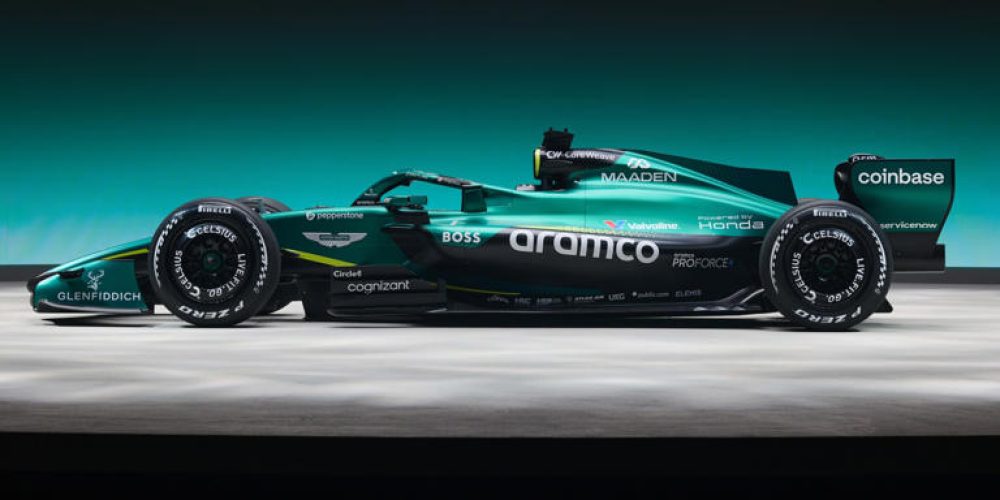
Aston Martin’s new Formula 1 challenger for the 2026 season reflects a markedly different engineering path compared with rivals under the sport’s comprehensive technical overhaul. Team principal and technical chief Adrian Newey explained the AMR26’s layout stems from a unique interpretation of this year’s regulations, developed from a single core direction rather than iterative compromises.
The 2026 rule changes introduced sweeping aerodynamic and technical limits aimed at enhancing competition and reducing downforce sensitivity. Teams have adopted varying approaches to meet these requirements, and Newey characterises Aston Martin’s solution as among the more radical. Although only time will reveal its competitiveness on the track, the design underscores the team’s commitment to a bold strategy within the new regulatory framework.
Newey’s career, spanning technical leadership at several top Formula 1 outfits, positions him well to navigate fresh regulatory environments, and his move to Aston Martin adds weight to their 2026 project. His role as both team principal and chief designer reflects the integration of leadership and technical vision, especially as the sport ushers in a new era of regulations affecting aerodynamics, power units and car architecture.
The AMR26’s design choices manifest visibly in areas such as aerodynamic surfaces and bodywork layout. Newey described these features as distinct compared with competitor designs, with the team selecting a single developmental trajectory due to compressed design timelines. That approach aims to maximise the performance headroom available within the new rules immediately rather than spreading resources across multiple concepts.
Aston Martin endured delays in testing and wind tunnel work in the past year, which Newey has acknowledged might hamper early-season performance as rivals ramp up development. However, the focus on one clear design philosophy also aligns with the belief that a strong foundation can be built upon as the season progresses, helping deliver meaningful upgrades race by race.
The AMR26’s standout design elements have drawn attention from peers and pundits alike. Observers in the paddock have called it one of the more visually striking cars of the 2026 grid, with its aerodynamic features and packaging prompting discussion about the variety of technical interpretations emerging under the new rules. Such diversity in design reflects how teams are exploiting the new aerodynamic regulations to gain performance advantages.
The sport’s new technical framework is part of a broader shift in Formula 1’s competitive and engineering landscape, which includes updated power unit specifications and aerodynamic targets intended to tighten competition. These changes have reshaped how teams approach car performance, balancing efficiency, downforce and driveability to suit race conditions expected throughout the season.
Aston Martin’s leadership under Newey emphasises evolutionary development throughout the season. Rather than unveiling multiple baseline concepts, the team opted for a concentrated initial design and plans targeted updates. This strategy seeks to maintain clarity in performance direction while enabling engineers to react swiftly to data gathered during early test sessions and grand prix weekends.
Drivers and team personnel have also noted the importance of understanding the car’s dynamic behaviour from the outset. With a new regulatory landscape altering aerodynamic cues and race-weekend behaviour, feedback from drivers feeds directly into rapid development cycles that could define relative success across the 24-race calendar.
As pre-season testing progresses, the AMR26’s pace relative to rivals will begin to shape narrative around Aston Martin’s prospects. Newey’s early statements highlight both ambition and realism: a differentiated solution may unlock performance gains, but it carries inherent risk if assumptions about aerodynamic balance or mechanical grip diverge from real-world data.
In the high-stakes world of Formula 1, inventive technical approaches often separate championship contenders from midfield challengers. Aston Martin’s decision to pursue a distinct direction under the 2026 rules reflects a willingness to push boundaries and challenge conventional interpretations. Whether that translates into race wins will unfold as the season advances toward its first races.